Starting with the importance of regular maintenance for residential HVAC systems, this article delves into how proactive upkeep can significantly reduce the need for urgent repairs, saving homeowners time and money.
Exploring the key components of maintenance routines and cost comparisons, readers will gain valuable insights into the financial benefits and energy efficiency improvements regular maintenance can offer.
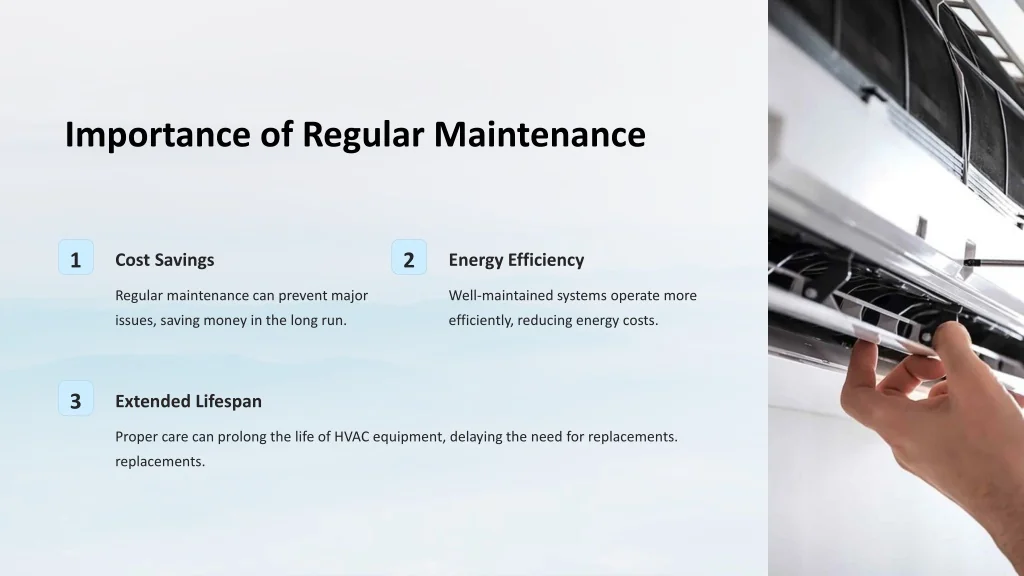
Importance of Regular Maintenance
 Regular maintenance of HVAC systems is crucial in minimizing the need for urgent repairs and ensuring optimal performance. By conducting routine maintenance, homeowners can address potential issues early on, preventing them from escalating into major problems that require costly repairs. Here are some key points highlighting the significance of regular HVAC maintenance:
Early Detection of Issues
- During regular maintenance checks, HVAC technicians can identify any wear and tear, leaks, or other issues that could lead to system failure if left unattended.
- Addressing these minor issues promptly can prevent them from causing more significant damage to the system, saving homeowners from expensive repairs in the long run.
Extended Lifespan of HVAC Systems
- Regular maintenance helps keep HVAC systems running efficiently, reducing the strain on components and extending the lifespan of the equipment.
- Well-maintained systems are less likely to break down unexpectedly, providing homeowners with consistent comfort and peace of mind.
Components of Regular Maintenance
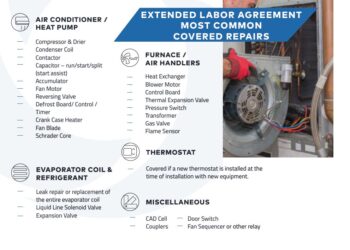
Regular maintenance of your HVAC system involves several key components that are essential for keeping it running smoothly and efficiently. One of the most important aspects of maintenance is ensuring that all parts of the system are clean and in good working condition.Cleaning Filters, Coils, and Ducts Regularly
Regularly cleaning the filters, coils, and ducts of your HVAC system is crucial for its performance and longevity. Dirty filters can restrict airflow, making the system work harder to heat or cool your home. Clogged coils can reduce the system's efficiency, leading to higher energy bills. Additionally, dirty ducts can harbor dust, allergens, and mold, which can negatively impact indoor air quality. By cleaning these components regularly, you can ensure that your HVAC system operates at its best.Role of Lubrication and Checking Refrigerant Levels
Another important aspect of regular HVAC maintenance is lubricating moving parts and checking refrigerant levels. Lubrication helps reduce friction between moving components, preventing premature wear and tear. Checking refrigerant levels is crucial for the system's cooling efficiency. Low refrigerant levels can lead to decreased cooling capacity and higher energy consumption. By maintaining proper lubrication and refrigerant levels, you can extend the lifespan of your HVAC system and prevent costly repairs down the line.Cost Comparison
 Regular maintenance for your residential HVAC system may involve upfront costs, but the financial benefits far outweigh the expenses. Investing in preventive maintenance can significantly reduce the likelihood of costly emergency repairs in the future.
Financial Benefits of Preventive Maintenance
- Preventive maintenance helps identify and address minor issues before they escalate into major problems that require expensive repairs.
- By keeping your HVAC system well-maintained, you can ensure optimal efficiency, which can lead to lower energy bills over time.
- Regular maintenance can prolong the lifespan of your HVAC system, saving you money on premature replacements.
Energy Efficiency
Regular maintenance plays a crucial role in improving the energy efficiency of HVAC systems, which can lead to significant cost savings for homeowners in the long run.Clean Filters and Coils
Regularly cleaning and replacing filters and coils in HVAC systems can reduce energy consumption by ensuring proper airflow and heat transfer. When filters are clogged with dirt and debris, the system has to work harder to maintain the desired temperature, leading to increased energy usage. By keeping filters and coils clean, homeowners can optimize the performance of their HVAC systems and minimize energy waste.Impact on Utility Bills
Regular maintenance not only improves the efficiency of HVAC systems but also has a direct impact on utility bills. When HVAC systems are well-maintained, they operate more efficiently, requiring less energy to heat or cool the home. This results in lower energy bills for homeowners, making regular maintenance a cost-effective investment in the long term.DIY Maintenance Tips
Regular maintenance tasks performed by homeowners can significantly reduce the chances of needing urgent HVAC repairs. By following some simple do-it-yourself (DIY) tips, you can keep your system running smoothly and efficiently. Here are some essential maintenance tasks you can do yourself to ensure your HVAC system stays in top condition.Cleaning Filters
Regularly cleaning or replacing your HVAC filters is a crucial maintenance task that can improve the system's efficiency and lifespan. Follow these steps to clean your filters: - Turn off the HVAC system before starting any maintenance. - Locate the air filter in your HVAC system. - Remove the filter and inspect it for dirt and debris. - If reusable, clean the filter with water and mild detergent. Allow it to dry completely before reinstalling. - If disposable, replace the filter with a new one of the same size and type. - Reinstall the filter and turn the HVAC system back on.Maintaining the HVAC System
In addition to cleaning filters, there are other DIY maintenance tasks you can perform to keep your HVAC system in good condition. Here are some steps you can take: - Check and clean the outdoor unit regularly to remove debris and ensure proper airflow. - Inspect and clean the evaporator and condenser coils to improve energy efficiency. - Clear any obstructions around vents and registers to ensure proper airflow throughout your home. - Monitor the system for any unusual noises or odors, which could indicate a problem that needs professional attention. - Schedule annual professional maintenance to address any issues and keep your system running smoothly.Safety Precautions
When performing DIY maintenance on your HVAC system, it's essential to prioritize safety. Here are some safety precautions to consider: - Always turn off the power to the system before starting any maintenance tasks. - Wear protective gear, such as gloves and goggles, to prevent injuries. - Use a sturdy ladder when accessing hard-to-reach areas, and have someone nearby to assist if needed. - Follow manufacturer instructions and guidelines for cleaning and maintenance to avoid damaging the system. - If you encounter any issues beyond your expertise, contact a professional HVAC technician for assistance.Closing Notes
In conclusion, prioritizing regular maintenance for your residential HVAC system not only prolongs its lifespan but also enhances its performance and reduces the likelihood of unexpected breakdowns. By following the DIY maintenance tips provided, homeowners can take proactive steps to keep their HVAC systems running smoothly year-round.
Top FAQs
How often should I schedule regular maintenance for my HVAC system?
It is recommended to have your HVAC system serviced at least once a year to ensure optimal performance and early issue detection.
What are some common signs that indicate my HVAC system needs maintenance?
Unusual noises, inconsistent temperatures, and increased energy bills can be indicators that your HVAC system requires maintenance.
Can DIY maintenance tasks really help prevent urgent repairs?
Yes, performing simple tasks like changing filters and cleaning coils can help prevent major issues and prolong the lifespan of your HVAC system.