Exploring the critical need for Emergency Heating and Air Solutions for Vulnerable Households During Heatwaves sheds light on the challenges faced by vulnerable populations when extreme heat strikes. From the importance of providing immediate relief to the risks posed by lack of proper cooling and heating, this topic delves into crucial aspects that impact communities during heatwaves.
Delve further into the types of solutions available and the role of government initiatives and community partnerships in ensuring the well-being of vulnerable households in times of extreme heat.
Importance of Emergency Heating and Air Solutions
 Emergency heating and air solutions play a critical role in ensuring the well-being of vulnerable households, especially during heatwaves. These solutions are essential for maintaining a safe and comfortable indoor environment when extreme temperatures pose a serious threat to health and safety.
Risks Associated with Extreme Heat for Vulnerable Populations
Extreme heat can have severe consequences for vulnerable populations, including the elderly, young children, individuals with chronic illnesses, and low-income households. Without access to proper cooling and heating mechanisms during heatwaves, these populations are at increased risk of heat-related illnesses such as heat exhaustion, heatstroke, and dehydration. Lack of adequate temperature control can also exacerbate existing health conditions and lead to respiratory problems, cardiovascular issues, and heat-related fatalities.- Individuals with chronic illnesses, such as heart disease and respiratory disorders, are particularly susceptible to heat-related complications when exposed to high temperatures for prolonged periods.
- Children and elderly individuals may struggle to regulate their body temperature effectively, making them more vulnerable to heat stress and heat-related illnesses.
- Low-income households often face challenges in accessing proper cooling and heating systems, putting them at a higher risk during extreme weather events like heatwaves.
Types of Emergency Heating and Air Solutions
When it comes to providing emergency heating and air solutions for vulnerable households during heatwaves, there are several options available to help mitigate the effects of extreme temperatures.
Portable Air Conditioners
- Portable air conditioners provide a quick and easy way to cool down a specific room or area in the home.
- They are easy to install and can be moved from room to room as needed.
- However, portable air conditioners may not be as effective in cooling larger spaces or multiple rooms simultaneously.
- They also require proper ventilation to ensure optimal performance.
Fans
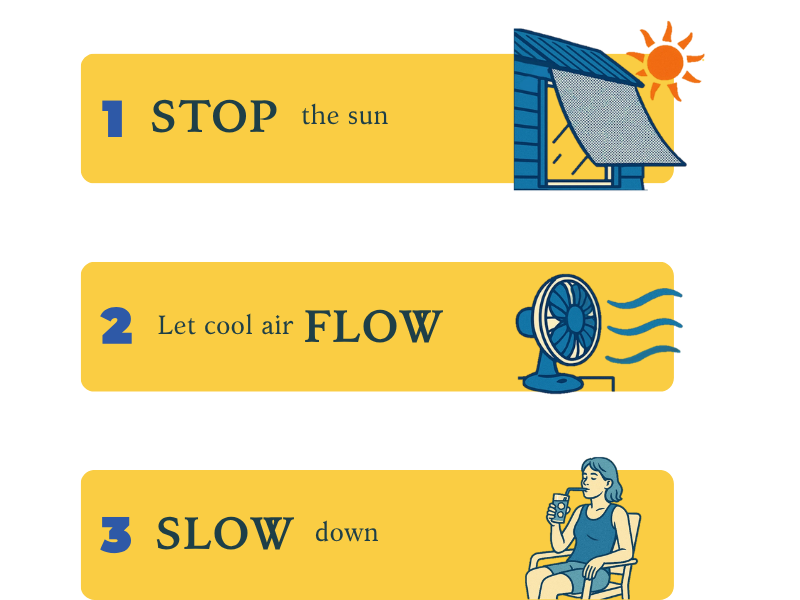
- Fans are a cost-effective way to circulate air and create a cooling breeze in a room.
- They come in various sizes and styles, including tower fans, ceiling fans, and desk fans.
- While fans can help improve air circulation, they do not actually lower the temperature in a room.
- They are best used in combination with other cooling methods for maximum effect.
Space Heaters
- Space heaters are useful for providing additional warmth in specific areas of the home during cold weather.
- They come in different types, including ceramic, radiant, and oil-filled heaters.
- Space heaters are portable and can be used to supplement central heating systems.
- However, they can be a fire hazard if not used properly, so caution is advised when using them.
Other Emergency HVAC Systems
- Other emergency HVAC systems, such as ductless mini-split systems and window air conditioners, can provide both heating and cooling solutions.
- These systems are more permanent than portable options and can be installed to cover larger areas of the home.
- They offer greater control over temperature settings and energy efficiency compared to portable devices.
- However, they may require professional installation and maintenance, which can be costly.
Government Initiatives and Programs
Government initiatives and programs play a crucial role in providing emergency heating and air solutions for vulnerable households, especially during heatwaves. These programs are designed to ensure access to cooling centers and emergency HVAC services, ultimately aiming to protect the health and well-being of those most at risk.Role of Local Authorities
Local authorities play a vital role in coordinating and implementing government initiatives to provide relief during extreme heat events. They are responsible for identifying vulnerable populations, establishing cooling centers, and ensuring timely access to emergency HVAC services. By working closely with community organizations and service providers, local authorities can effectively reach those in need and mitigate the impact of heatwaves on vulnerable households.Effectiveness of Existing Government Strategies
The effectiveness of existing government strategies in addressing the needs of vulnerable populations during extreme heat events varies depending on factors such as funding, coordination, and outreach efforts. While some programs have been successful in providing timely assistance and resources to those in need, there are still gaps that need to be addressed. Evaluating the impact of these initiatives and continuously improving upon them is essential to ensure that vulnerable households receive the support they require during heatwaves.Community Partnerships and Support
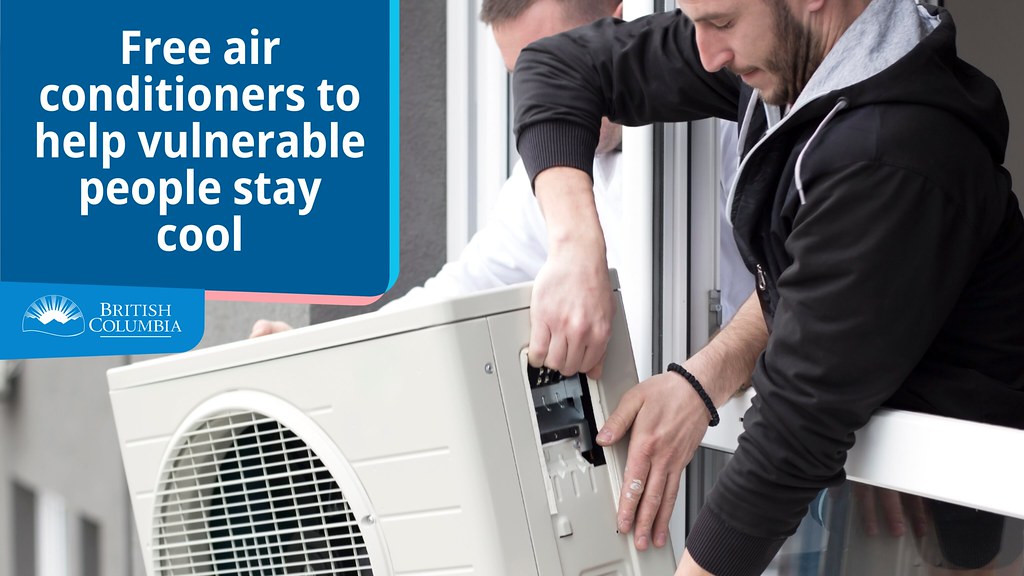
Community partnerships play a crucial role in providing emergency heating and air solutions to vulnerable households during heatwaves. By collaborating with community organizations, businesses, and local governments, these partnerships can help mitigate heat-related risks and enhance the resilience of those in need.Examples of Successful Collaborations
- Local non-profit organizations partnering with HVAC companies to provide free or discounted services to low-income households.
- Retail businesses donating fans or air conditioners to community centers for distribution to vulnerable individuals.
- City governments working with churches and community groups to set up cooling centers during heatwaves.
Enhancing Resilience through Community Support
- Providing education and outreach programs on heat safety and energy efficiency to vulnerable households.
- Creating mutual aid networks within communities to check on at-risk individuals during extreme heat events.
- Organizing fundraising events to support the purchase of cooling equipment for those in need.
Ultimate Conclusion
In conclusion, the discussion on Emergency Heating and Air Solutions for Vulnerable Households During Heatwaves emphasizes the significance of proactive measures to safeguard vulnerable populations. By understanding the various solutions, government programs, and community collaborations, we can work towards creating a more resilient environment for those in need during heatwave events.
General Inquiries
What are the risks of not providing emergency heating and air solutions during heatwaves?
Without proper cooling and heating, vulnerable households face risks of heat-related illnesses, dehydration, and even death during extreme heat events.
How can community partnerships enhance the resilience of vulnerable households during heatwaves?
Community partnerships can provide additional resources, support, and outreach to ensure that vulnerable populations have access to emergency heating and air solutions when needed most.