Embark on The Best Seasonal Maintenance Schedule to Avoid Winter Home Furnace Repair, a comprehensive guide that delves into the importance of regular furnace maintenance, key components of a winter maintenance schedule, frequency of tasks, DIY vs. professional maintenance, and the significance of seasonal inspections.
Importance of Regular Furnace Maintenance
Regular furnace maintenance is crucial to ensure the efficient operation of your heating system and avoid costly repairs in the long run. Neglecting maintenance can lead to various issues that may impact the performance of your furnace and even pose safety risks to your home.Prevention of Breakdowns
By scheduling regular maintenance for your furnace, you can identify and address any potential issues before they escalate into major problems. This proactive approach helps prevent unexpected breakdowns, especially during the cold winter months when your furnace is working overtime to keep your home warm.Improved Energy Efficiency
A well-maintained furnace operates more efficiently, consuming less energy to heat your home. This not only reduces your monthly utility bills but also minimizes your carbon footprint by decreasing energy consumption. Simple tasks like cleaning or replacing air filters can significantly improve the efficiency of your heating system.Extended Lifespan of the Furnace
Regular maintenance can prolong the lifespan of your furnace, saving you from the cost of premature replacement. By ensuring that all components are functioning properly and addressing any wear and tear promptly, you can maximize the longevity of your heating system. Investing in maintenance now can save you money on costly repairs or replacements down the line.Components of a Winter Furnace Maintenance Schedule
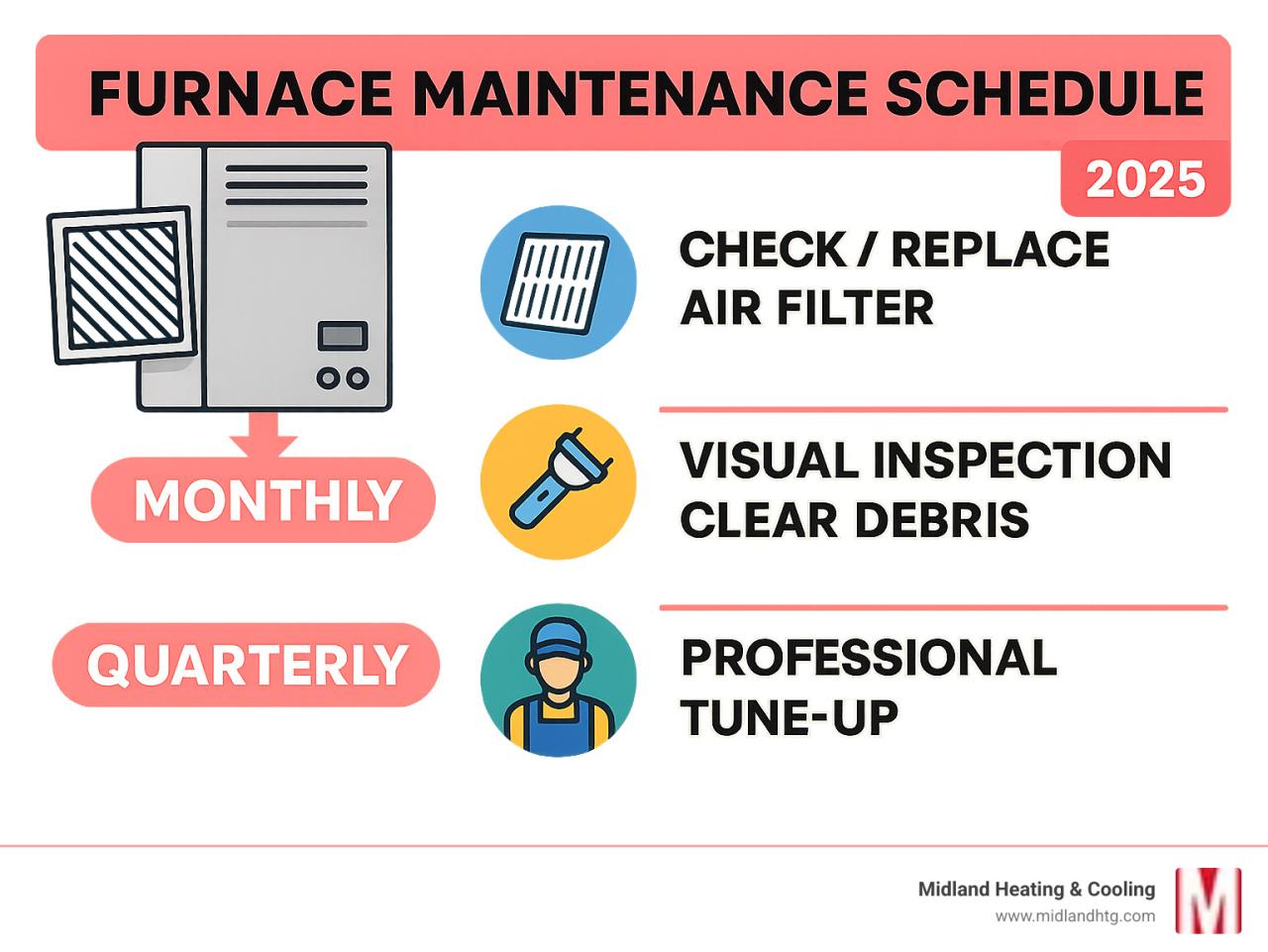 Regular maintenance of your home furnace is crucial to ensure it functions optimally during the winter months. A well-rounded winter furnace maintenance schedule should include several key components to keep your heating system running efficiently and effectively.
Filter Replacement
One of the most important components of winter furnace maintenance is regularly replacing the air filter. A dirty or clogged filter can restrict airflow, causing the furnace to work harder and less efficiently.
- Turn off the furnace before replacing the filter.
- Check the filter monthly and replace it every 1-3 months, depending on usage.
- Choose a high-quality filter to improve indoor air quality and furnace efficiency.
Thermostat Calibration
Calibrating your thermostat ensures that your furnace operates at the desired temperature, reducing energy waste and preventing unnecessary wear and tear on the system.
- Check the accuracy of your thermostat using a separate thermometer.
- Replace batteries if your thermostat is not hardwired.
- Consider upgrading to a programmable thermostat for increased efficiency.
Ductwork Inspection
Inspecting the ductwork ensures that air is properly distributed throughout your home, maximizing the efficiency of your heating system.
- Visually inspect ducts for leaks, holes, or disconnected sections.
- Seal any leaks with duct tape or mastic sealant to prevent heat loss.
- Consider hiring a professional to clean and inspect ductwork for optimal performance.
Blower Motor Maintenance
The blower motor is responsible for circulating heated air throughout your home, making it essential to maintain during winter furnace maintenance.
- Lubricate the blower motor bearings to reduce friction and prevent overheating.
- Clean the blower assembly to remove dust and debris that can hinder airflow.
- Inspect the blower belt for signs of wear and replace if necessary.
Frequency of Maintenance Tasks
Regular maintenance of your home furnace during the winter season is crucial to ensure its efficiency and longevity. Different maintenance tasks should be performed at varying frequencies to keep your furnace running smoothly. Here is a breakdown of how often you should address key maintenance tasks:Filters
Regularly changing or cleaning your furnace filters is essential to maintain proper airflow and indoor air quality. Depending on the type of filter you have, it is recommended to check and replace it every 1-3 months during the winter season.Vents
Inspecting and cleaning your vents helps prevent blockages and ensures proper heat distribution throughout your homeThermostat
Calibrating and testing your thermostat is important to maintain consistent indoor temperatures and energy efficiency. It is advisable to check and adjust your thermostat settings every month to ensure optimal performance.Overall Maintenance Schedule
To create an effective maintenance schedule based on the frequency of tasks, consider setting reminders or creating a calendar to stay organized. Assign specific months or intervals for each maintenance task and mark them down to ensure they are completed on time. By staying proactive and following a consistent maintenance schedule, you can avoid costly repairs and ensure your furnace operates efficiently throughout the winter season.DIY Maintenance vs. Professional Maintenance
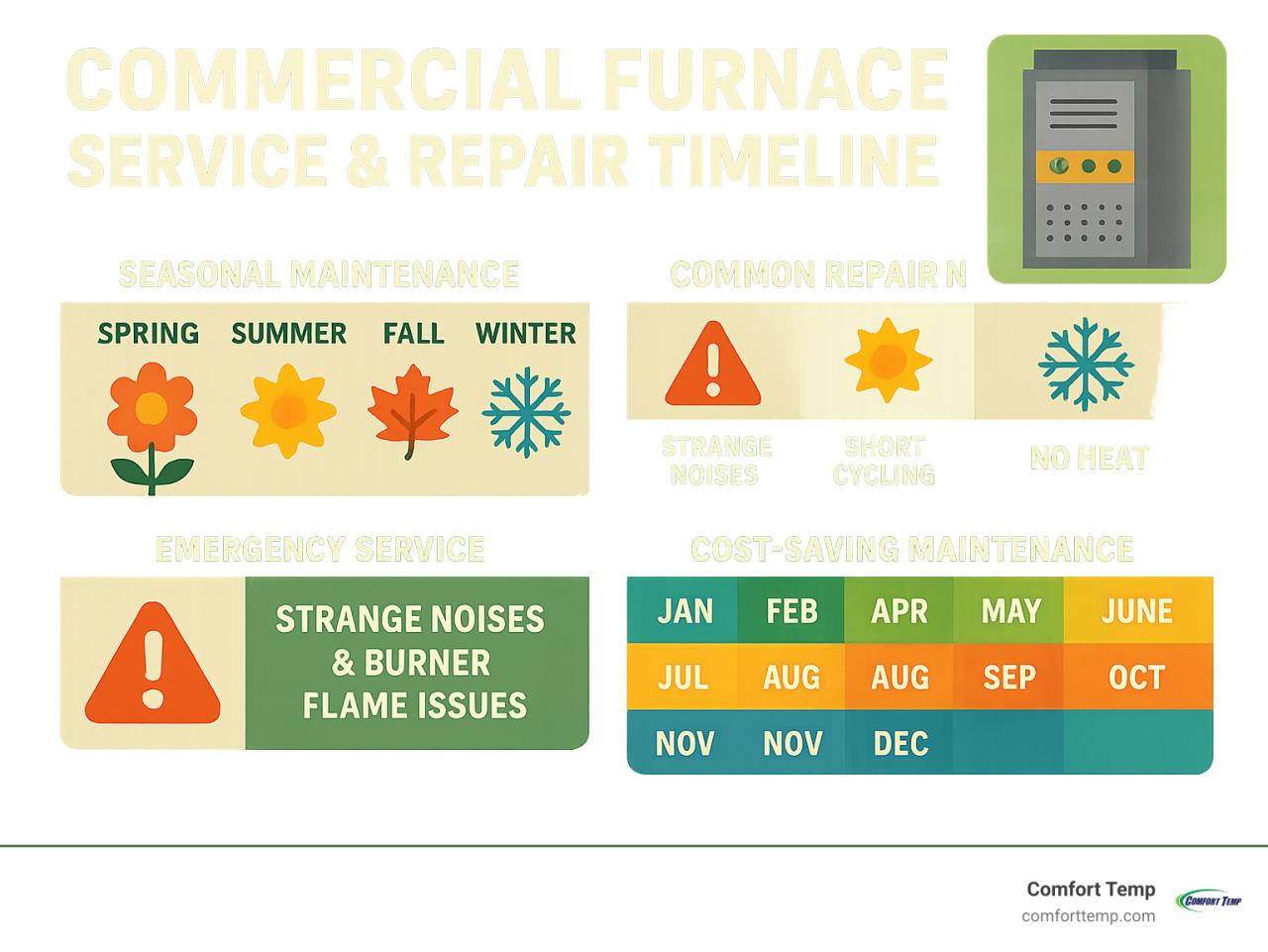 When it comes to maintaining your home furnace, you might be torn between going the DIY route or hiring a professional. Each option has its own set of pros and cons, so let's break it down to help you make an informed decision.
DIY Tasks
- Replacing air filters: This is a simple task that can be done by homeowners and should be done regularly to ensure proper airflow.
- Cleaning vents and ducts: Another task that can be DIYed, but be cautious of potential hazards like mold or debris buildup.
- Checking thermostat settings: Adjusting your thermostat settings can be easily done by yourself to optimize energy efficiency.
Professional Tasks
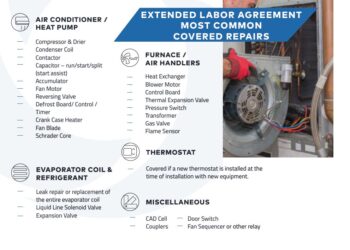
- Inspecting heat exchanger: This task requires specialized tools and expertise to detect any cracks or damage that may lead to carbon monoxide leaks.
- Tuning up the furnace: A professional can ensure all components are working efficiently, reducing the risk of breakdowns during the winter.
- Testing safety controls: Professionals have the knowledge to test safety controls to prevent any potential dangers or malfunctions.
When to Call a Professional
It's best to call a professional if you notice strange noises, uneven heating, or a sudden increase in your energy bills.Remember, while some tasks can be handled on your own, it's always wise to seek professional help for complex maintenance or repairs to ensure the safety and efficiency of your furnace.
Importance of Seasonal Inspections
When it comes to maintaining your home furnace and avoiding costly winter repairs, conducting seasonal inspections is crucial. These inspections can help ensure that your furnace is in optimal condition to keep your home warm throughout the chilly winter months.
Significance of Seasonal Inspections
Seasonal inspections play a vital role in identifying potential issues with your furnace before they escalate into major problems. By catching these issues early, you can save yourself from the inconvenience of a breakdown in the middle of winter and prevent costly repairs.
- Check the air filters: Dirty filters can restrict airflow and strain your furnace, leading to inefficiency and potential breakdowns. Make sure to clean or replace filters regularly.
- Inspect the thermostat: Ensure that your thermostat is working properly and accurately regulating the temperature in your home.
- Look for signs of wear and tear: Check for any visible signs of damage or wear on components like belts, bearings, and electrical connections.
- Clean the vents and ducts: Dust and debris can accumulate in the vents and ducts, hindering airflow and reducing the efficiency of your furnace. Keep them clean and clear.
Conclusion
In conclusion, staying on top of your furnace maintenance can save you time, money, and hassle during the chilly winter months. By following this schedule, you can ensure your home stays warm and cozy without the need for costly repairs.
Essential Questionnaire
How often should I change my furnace filter?
It is recommended to change your furnace filter every 1-3 months, depending on usage and the type of filter you have.
What are some DIY maintenance tasks I can do for my furnace?
You can clean the vents, check the thermostat settings, and visually inspect the furnace for any signs of wear or damage as DIY tasks.
When should I call a professional for furnace maintenance?
If you encounter issues like strange noises, uneven heating, or frequent cycling, it's best to call a professional for a thorough inspection and maintenance.