As Home Furnace Repair: What to Do When Your System Blows Cold Air takes center stage, this opening passage beckons readers with a crafted world of knowledge, ensuring an absorbing and original reading experience.
In the following paragraphs, you will find detailed information on troubleshooting steps, DIY solutions, and when to seek professional help for home furnace repair.
Causes of Cold Air from Home Furnace
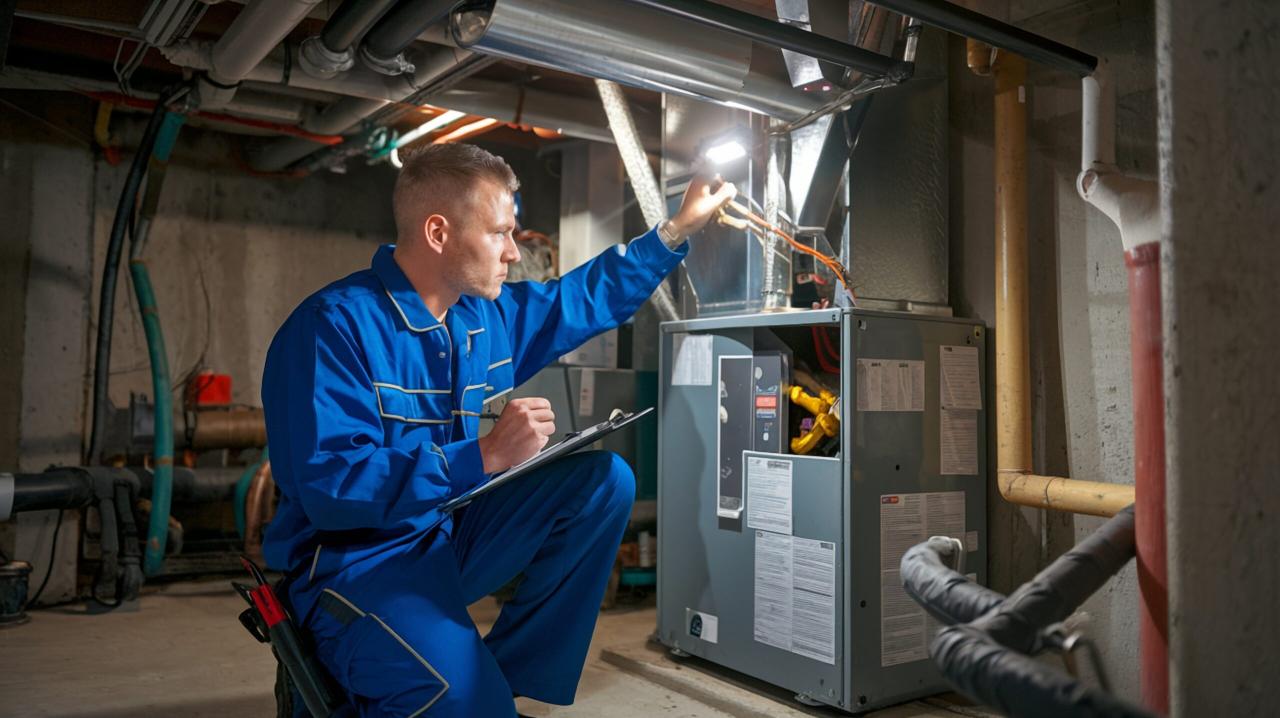 When your home furnace starts blowing cold air instead of warm air, there are several common reasons that could be causing this issue. Let's explore some of the main culprits below:
Malfunctioning Thermostat
If your thermostat is not working correctly, it may not be communicating with your furnace to produce heat. This can result in the furnace blowing cold air instead of warming up your home.Dirty Air Filter
A clogged or dirty air filter can restrict the airflow in your furnace, causing it to overheat and shut down. When this happens, the furnace may start blowing cold air as a result of the lack of proper airflow.Lack of Maintenance
Regular maintenance is crucial for the proper functioning of your furnace. If you neglect maintenance tasks like cleaning, lubricating, and inspecting your furnace, it can lead to issues like cold air blowing due to poor performance.Faulty Heating Element
The heating element in your furnace is responsible for generating heat. If this element is faulty or damaged, it may not be able to produce enough heat to warm up the air passing through the furnace, resulting in cold air being blown into your home.Troubleshooting Steps for Home Furnace Repair
When your home furnace is blowing cold air, it can be frustrating and uncomfortable. However, before calling a professional for repairs, you can try some troubleshooting steps to potentially resolve the issue on your own.Checking Thermostat Settings
One of the first things to check when your furnace is blowing cold air is the thermostat settings. Incorrect settings can cause the furnace to not produce enough heat. Follow these steps to ensure the thermostat is correctly configured:
- Check if the thermostat is set to "heat" mode.
- Adjust the temperature setting to be higher than the current room temperature.
- Replace the batteries in the thermostat, if applicable.
Inspecting and Replacing a Dirty Air Filter
A dirty air filter can restrict airflow, causing the furnace to blow cold air. It is essential to regularly inspect and replace the air filter to improve airflow and heating efficiency. Here is how you can do it:
- Locate the air filter in your furnace system.
- Remove the filter and inspect it for dirt and debris.
- If the filter is dirty, replace it with a new one of the same size and type.
- Make sure to follow the manufacturer's instructions for replacing the filter.
DIY Solutions for Home Furnace Repair
When your home furnace starts blowing cold air, there are a few DIY solutions you can try before calling a professionalResetting the Furnace
If your furnace is blowing cold air, try resetting the system. Locate the reset button on your furnace and press it. This action can help reboot the system and resolve minor issues that may be causing the problem.Checking for Tripped Circuit Breakers
Another common issue that can cause a furnace to blow cold air is a tripped circuit breaker. Check your electrical panel for any tripped breakers and reset them if necessary. This simple step can help ensure that your furnace is getting the power it needs to function properly.Ensuring the Pilot Light is Lit
If you have a gas furnace, make sure to check if the pilot light is lit. If the pilot light is out, follow the manufacturer's instructions to relight it. A pilot light that is not lit can prevent your furnace from producing heat, leading to the circulation of cold air in your home.Cleaning Heating Elements or Vents
Over time, dust and debris can accumulate on the heating elements or vents of your furnace, hindering proper heat distribution. Regularly cleaning these components can improve the efficiency of your furnace and ensure that warm air is being circulated throughout your home. Use a soft brush or vacuum to remove any build-up and keep the system running smoothly.When to Call a Professional for Home Furnace Repair
If you are facing issues with your home furnace that DIY solutions cannot fix or if you notice certain signs indicating a more serious problem, it may be time to call in a professional. Regular maintenance and professional inspections can also help prevent future problems from arising.Signs of Serious Issues
- Continued cold air blowing from vents despite troubleshooting steps
- Strange noises coming from the furnace
- Unusual smells like burning or musty odors
- Increased energy bills without any change in usage
Importance of Professional Maintenance
Regular maintenance by a professional can help identify small issues before they escalate into major problems, saving you time and money in the long run.
- Professional inspections can ensure that your furnace is running efficiently and safely
- Experts can identify potential hazards like gas leaks or carbon monoxide leaks
Conclusion
In conclusion, understanding the causes of cold air from your home furnace and knowing how to address them is crucial for maintaining a comfortable living environment. By following the tips provided, you can ensure your system functions efficiently and effectively.
Top FAQs
What should I do if my home furnace is blowing cold air?
Check for common issues like a malfunctioning thermostat, dirty air filter, or faulty heating element. Follow troubleshooting steps to resolve the problem.
How can I improve the efficiency of my home furnace?
Regular maintenance, cleaning heating elements or vents, and ensuring proper thermostat settings can improve efficiency.
When should I call a professional for home furnace repair?
Seek professional help if you notice signs of a serious issue, such as strange noises or uneven heating. Regular maintenance and inspections are also key.