Embark on a journey towards eco-friendly living with a focus on upgrading residential HVAC systems to low-emission refrigerants. Discover the benefits, environmental impact, and cost savings associated with this sustainable choice.
Introduction to Low-Emission Refrigerants
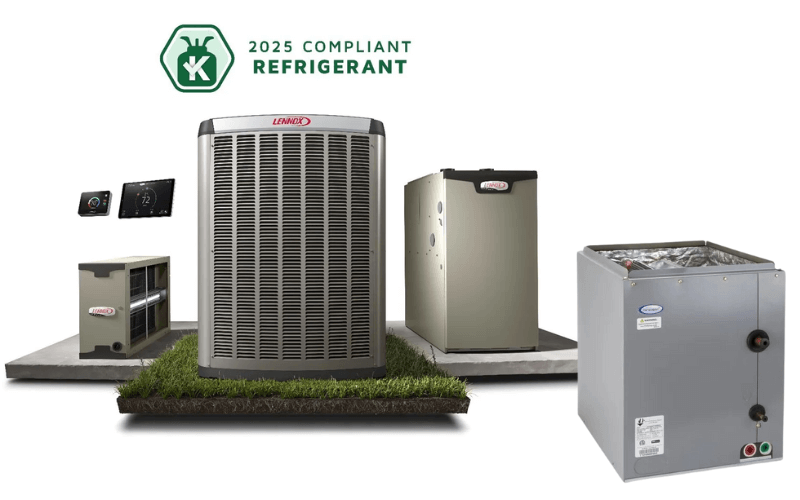 Using low-emission refrigerants in residential HVAC systems is crucial for reducing the environmental impact of traditional refrigerants. Traditional refrigerants, such as R-22, contribute to ozone depletion and global warming. Low-emission refrigerants, on the other hand, have a lower impact on the environment due to their reduced greenhouse gas emissions.
Commonly Used Low-Emission Refrigerants
- R-410A: This refrigerant is commonly used as a replacement for R-22 in residential air conditioning systems. It has a lower impact on the environment and is more energy-efficient.
- R-32: Another popular low-emission refrigerant used in residential HVAC systems. It has a lower global warming potential compared to other refrigerants.
- R-134a: Often used in heat pumps and refrigeration systems, R-134a is a low-emission refrigerant that is non-ozone depleting.
Environmental Impact of Traditional vs. Low-Emission Refrigerants
Low-emission refrigerants play a significant role in mitigating climate change and protecting the ozone layer. Traditional refrigerants like R-22 release harmful gases into the atmosphere, contributing to global warming and ozone depletion. In contrast, low-emission refrigerants have a lower impact on the environment, making them a more sustainable choice for residential HVAC systems.Benefits of Upgrading to Low-Emission Refrigerants
Upgrading to low-emission refrigerants in residential HVAC systems offers a range of benefits for homeowners. These eco-friendly refrigerants not only help in reducing environmental impact but also provide several advantages in terms of energy efficiency and cost savings.Energy Efficiency Improvements
Switching to low-emission refrigerants can significantly improve the energy efficiency of HVAC systems. These refrigerants are designed to operate more efficiently, resulting in lower energy consumption. This can lead to reduced electricity bills for homeowners in the long run, making it a cost-effective choice for sustainable living.Reduction in Greenhouse Gas Emissions
One of the key benefits of upgrading to low-emission refrigerants is the reduction in greenhouse gas emissions. Traditional refrigerants such as R-22 contribute to global warming and ozone depletion. By transitioning to low-emission alternatives like R-410A or R-32, homeowners can help mitigate their carbon footprint and contribute to a healthier environment.Potential Cost Savings
While the initial cost of upgrading to low-emission refrigerants may be higher than traditional options, homeowners can experience significant cost savings in the long term. With improved energy efficiency, lower maintenance requirements, and extended system lifespan, the overall operational costs of HVAC systems can be reduced. Additionally, as regulations phase out high-GWP refrigerants, investing in low-emission alternatives can future-proof residential HVAC systems and prevent costly retrofits down the line.Eco-Friendly HVAC Repair Practices
When it comes to eco-friendly HVAC repair practices, there are several techniques you can implement to reduce the environmental impact of heating and cooling systems in residential buildings. By adopting these practices, you can contribute to a greener and more sustainable future.
Eco-Friendly Repair Techniques for HVAC Systems
One of the key eco-friendly repair techniques for HVAC systems is to ensure proper insulation in ductwork and around the unit. This helps maintain the efficiency of the system and reduces energy consumption. Additionally, using energy-efficient HVAC components and regularly cleaning and replacing air filters can also contribute to a more environmentally friendly operation.
Tips on Maintaining HVAC Systems to Reduce Environmental Impact
- Regularly schedule professional maintenance checks to ensure the system is running efficiently and to address any potential issues promptly.
- Seal any leaks in ductwork to prevent energy wastage and improve the overall performance of the HVAC system.
- Programmable thermostats can help regulate temperature settings and reduce energy consumption when heating or cooling is not needed.
- Consider investing in a smart HVAC system that can automatically adjust settings based on occupancy and usage patterns.
Importance of Regular Maintenance in Ensuring the Efficiency of Low-Emission Refrigerants
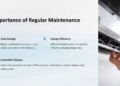
Low-emission refrigerants are an important step towards reducing the environmental impact of HVAC systems. However, to ensure their efficiency and longevity, regular maintenance is crucial. By scheduling routine check-ups and inspections, you can detect any leaks or issues with the refrigerant system early on, preventing potential environmental harm and maximizing the benefits of using low-emission refrigerants.
Choosing the Right HVAC Service Provider
When it comes to selecting a service provider for eco-friendly HVAC repairs, there are several key factors to consider. It's essential to choose a company that has expertise in handling low-emission refrigerants and employs technicians who are qualified in eco-friendly practices.Expertise in Handling Low-Emission Refrigerants
- Look for HVAC companies that have experience working with low-emission refrigerants such as HFCs or HFOs.
- Check if the service provider is familiar with the specific requirements and procedures involved in using environmentally friendly refrigerants.
- Ask about the company's track record in successfully implementing low-emission refrigerants in HVAC systems.
Certifications and Qualifications
- Ensure that the HVAC technicians are certified by organizations such as NATE (North American Technician Excellence) in handling eco-friendly practices.
- Look for technicians who have received training specifically related to low-emission refrigerants and sustainable HVAC solutions.
- Verify if the service provider follows industry best practices and complies with environmental regulations regarding refrigerant use.
Epilogue
In conclusion, transitioning to low-emission refrigerants for HVAC repair not only benefits the environment but also offers long-term cost savings and energy efficiency. Take the step towards a greener future with this eco-friendly upgrade.
Detailed FAQs
What are some commonly used low-emission refrigerants?
Common examples include R-32, R-410A, and R-1234yf. These refrigerants have lower global warming potential compared to traditional options.
How can regular maintenance ensure the efficiency of low-emission refrigerants?
Regular maintenance such as cleaning coils, checking for leaks, and changing filters can help optimize the performance of low-emission refrigerants, ensuring they operate efficiently.
What certifications should homeowners look for in HVAC technicians specializing in eco-friendly practices?
Look for technicians with certifications like NATE (North American Technician Excellence) or EPA 608 certification, indicating their expertise in handling eco-friendly refrigerants.