Embark on a journey through the intricacies of Home Furnace Repair with a focus on troubleshooting dysfunctional pilots and igniters. This comprehensive guide aims to equip you with the knowledge and skills needed to tackle common issues efficiently and effectively.
Causes of Dysfunctional Pilots and Igniters
When pilots and igniters in home furnaces malfunction, it can lead to a variety of heating issues. Understanding the common causes of these malfunctions is crucial for effective troubleshooting and repair.
Wear and Tear
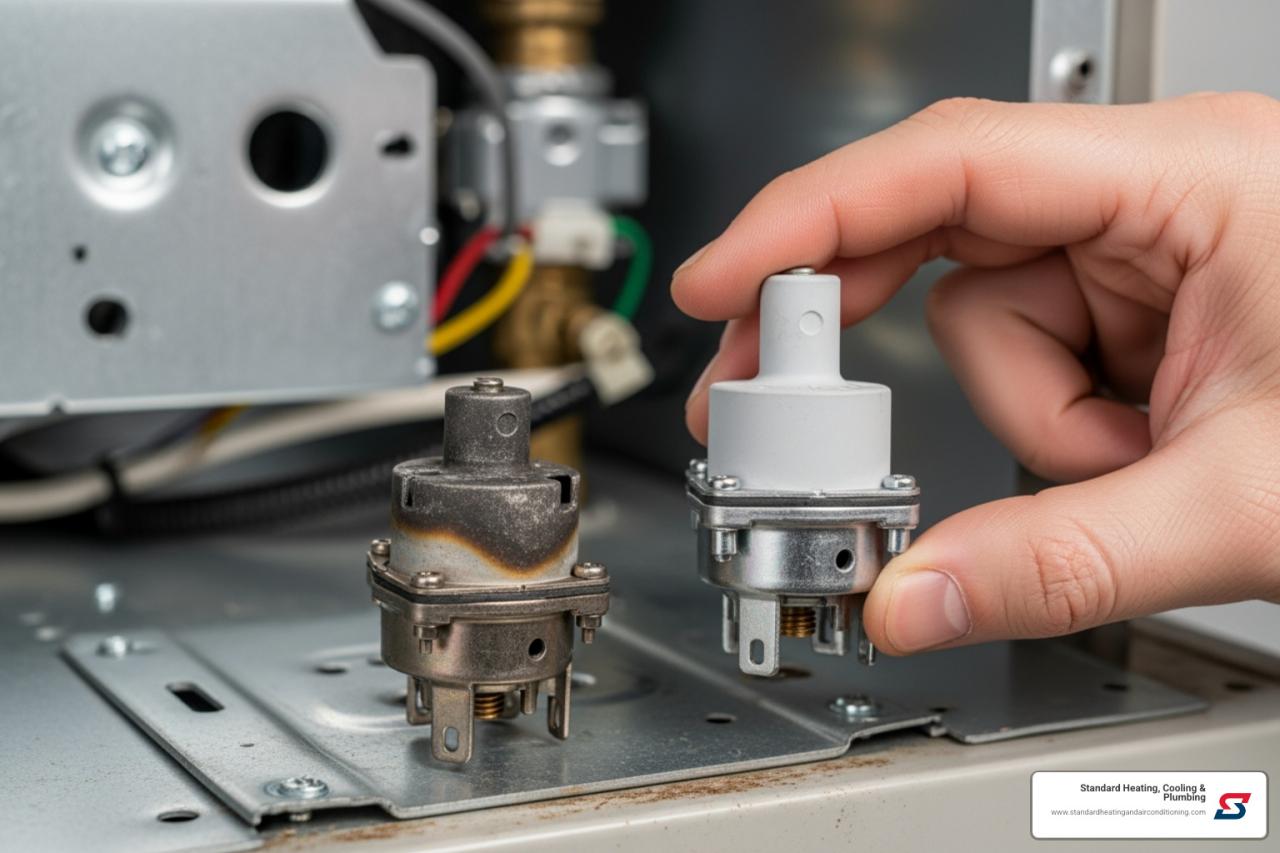
Over time, pilots and igniters can deteriorate due to regular use, leading to issues like corrosion or damage to the components.
Dirt Accumulation
Accumulation of dirt, dust, or debris can block the pilot light or igniter, causing them to malfunction and fail to ignite the furnace.
Electrical Issues
Issues with the electrical connections or components can prevent the pilots and igniters from receiving the necessary power to function properly, resulting in heating problems.
Troubleshooting Steps for Pilot Light Issues
When dealing with pilot light issues in a home furnace, it is essential to follow a systematic approach to identify and resolve the problem. Here is a step-by-step guide to troubleshoot pilot light problems effectively.Checking Gas Supply
- Ensure that the gas supply to the furnace is turned on and that the gas line is not blocked or obstructed.
- Check for any gas leaks around the furnace and address them immediately to prevent any safety hazards.
- Inspect the gas valve to make sure it is in the correct position and functioning properly.
Cleaning the Pilot Orifice
- Turn off the gas supply to the furnace before attempting to clean the pilot orifice.
- Remove any dirt, debris, or soot buildup from the pilot orifice using a small brush or compressed air.
- Ensure that the pilot orifice is clean and free from any blockages that may prevent the pilot light from igniting.
Testing the Igniter
- Check the igniter for any signs of wear or damage that may affect its performance.
- If the igniter is faulty, replace it with a new one following the manufacturer's instructions.
- Test the igniter to ensure that it is functioning correctly and capable of igniting the pilot light.
Remember to always prioritize safety when dealing with pilot light troubleshooting. If you are unsure or uncomfortable with any step, it is best to contact a professional technician to assist you.
Igniter Inspection and Repair Techniques
Inspecting and repairing the igniter is crucial for ensuring your home furnace functions properly. Here, we will discuss methods to inspect the igniter for faults or damage, how to test its functionality, and tips for cleaning and positioning.Inspecting the Igniter
When inspecting the igniter, look for any signs of wear, cracks, or damage. Ensure the igniter is properly positioned and free from any obstructions that may affect its performance.Testing Igniter Functionality
To test the igniter's functionality, use a multimeter to check for continuity. If the igniter does not produce a spark or glow, it may be faulty and in need of repair or replacement.Cleaning the Igniter
Cleaning the igniter is essential for optimal performance. Use a soft brush to remove any debris or buildup that could interfere with ignition. Ensure the igniter is clean and free from any blockagesPositioning the Igniter
Proper positioning of the igniter is key to effective ignition. Make sure the igniter is correctly aligned and positioned close enough to the burner for ignition to occur efficiently.Comparing DIY Fixes vs. Professional Services
 When it comes to dealing with dysfunctional pilots and igniters in your home furnace, you may be faced with the decision of whether to attempt a DIY fix or seek professional services. Both options have their own set of benefits and drawbacks, so it's essential to weigh your choices carefully.
Benefits and Drawbacks of DIY Repairs
- DIY repairs can save you money on service fees and labor costs, especially for minor issues with pilots and igniters.
- However, DIY fixes require a certain level of knowledge and skill, and if not done correctly, they can lead to more significant problems or safety hazards.
- Additionally, DIY repairs may void any existing warranties on your furnace, so it's crucial to consider this before attempting a fix on your own.
When to Seek Professional Help
- If you are unsure about the root cause of the pilot or igniter issue, or if you lack the necessary tools and expertise to address the problem effectively, it's advisable to seek professional help.
- Professional technicians have the training and experience to diagnose and repair furnace pilot and igniter issues accurately, ensuring long-term functionality and safety.
- Moreover, professional services often come with warranties or guarantees, providing you with peace of mind and assurance that the problem will be resolved correctly.
Cost-Effectiveness and Safety Considerations
- While DIY repairs may seem cost-effective initially, improper fixes can lead to more extensive damage that may ultimately cost you more in repairs or replacements.
- Professional services may come at a higher upfront cost, but they can save you money in the long run by ensuring the problem is fixed correctly the first time.
- When it comes to safety, professional technicians follow industry standards and protocols to ensure that furnace repairs are conducted safely and effectively, reducing the risk of accidents or hazards in your home.
Conclusive Thoughts
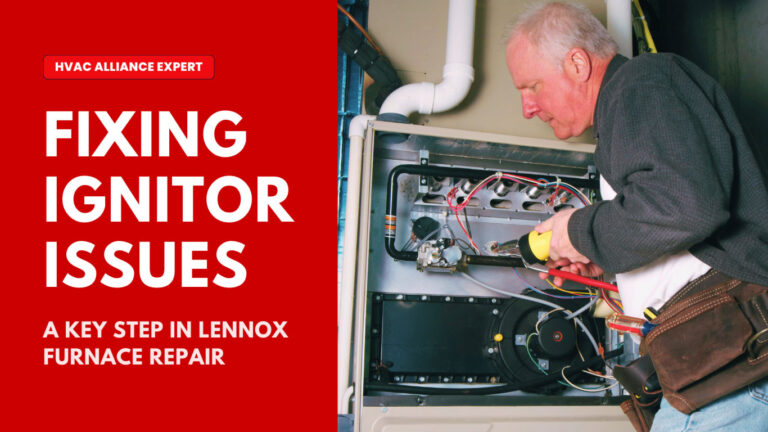
In conclusion, mastering the art of troubleshooting home furnace pilots and igniters is crucial for maintaining a cozy and functional living space. By following the steps Artikeld in this guide, you can enhance the efficiency and longevity of your furnace while ensuring optimal performance.
Essential FAQs
How often should I clean my furnace's pilot light?
It is recommended to clean the pilot light annually to prevent buildup and ensure proper functioning.
Can I replace the igniter myself?
While it is possible to replace the igniter yourself, it is advisable to consult a professional for this task to avoid any safety hazards.
What are the signs that indicate a malfunctioning pilot light?
Signs include a weak or flickering flame, difficulty in igniting, or a pilot light that frequently goes out.