Diving into the realm of Weight Loss Medication and Metabolic Health, this introduction sets the stage for a captivating exploration of how these two aspects intertwine to impact our overall well-being.
Providing insights into the complex relationship between weight loss medication and metabolic health, this overview aims to shed light on the crucial role they play in achieving a healthier lifestyle.
Overview of Weight Loss Medication and Metabolic Health
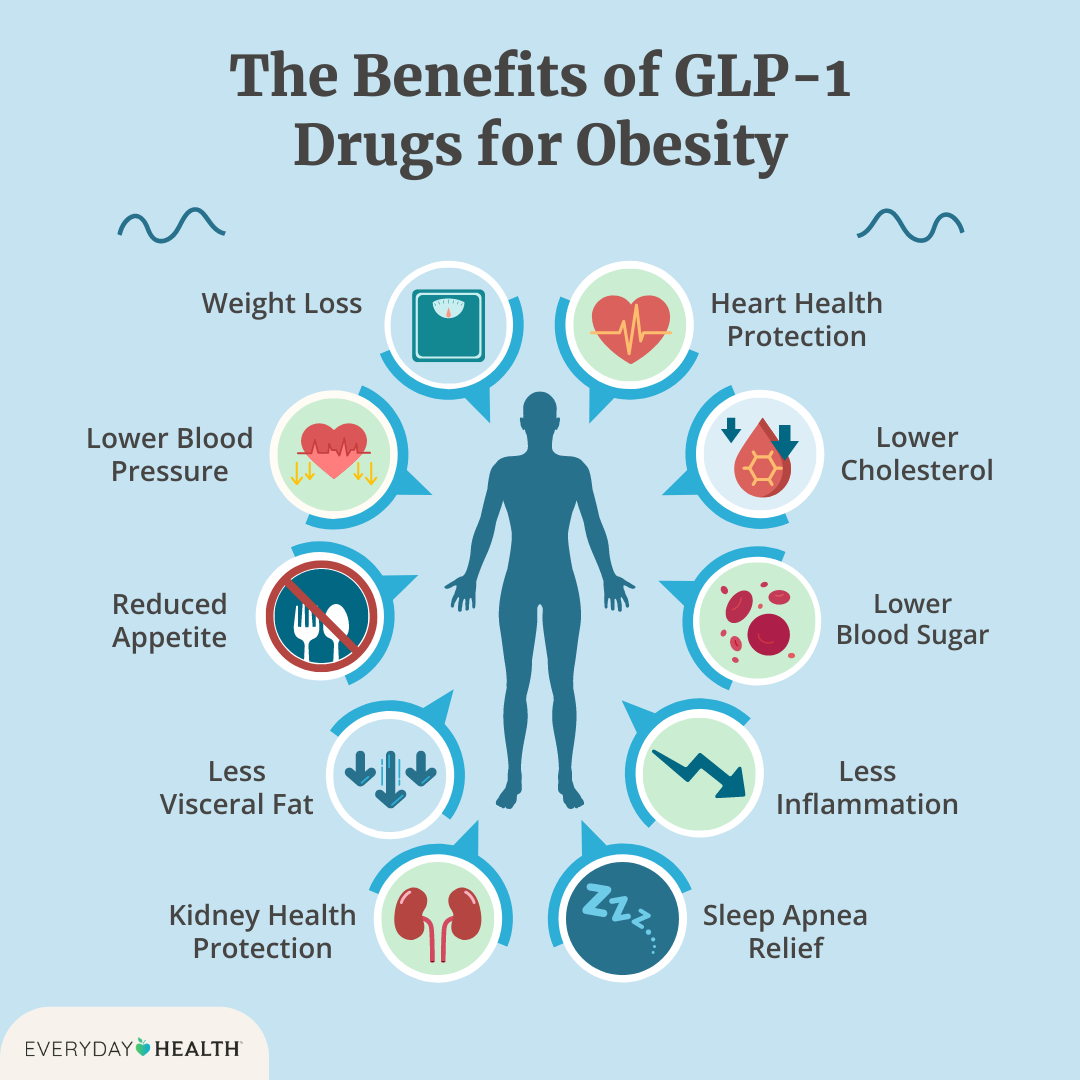 Weight loss medication refers to pharmaceutical drugs or supplements designed to aid in weight reduction by altering appetite, metabolism, or absorption of nutrients. These medications are typically prescribed for individuals who struggle with obesity or have difficulty losing weight through diet and exercise alone.The relationship between weight loss medication and metabolic health is closely intertwined. Metabolic health refers to the body's ability to efficiently convert food into energy and regulate processes such as blood sugar levels, cholesterol, and fat storage. When someone is overweight or obese, their metabolism may be negatively impacted, leading to issues such as insulin resistance, high blood pressure, and abnormal cholesterol levels.Maintaining optimal metabolic health is crucial for successful weight loss. By improving metabolic function, individuals can enhance their body's ability to burn calories, regulate appetite, and process nutrients effectively. Weight loss medications can help support these metabolic processes by targeting specific mechanisms that influence weight gain and loss.
Importance of Metabolic Health in Relation to Weight Loss
- Metabolic health plays a key role in determining an individual's ability to lose weight and sustain weight loss over time.
- Optimizing metabolic function can increase the efficiency of calorie burning and fat breakdown, making it easier to achieve weight loss goals.
- Improving metabolic health can lead to better control of appetite and cravings, reducing the likelihood of overeating and weight gain.
- Individuals with poor metabolic health may benefit from weight loss medications that target specific metabolic pathways to facilitate weight loss.
Types of Weight Loss Medication
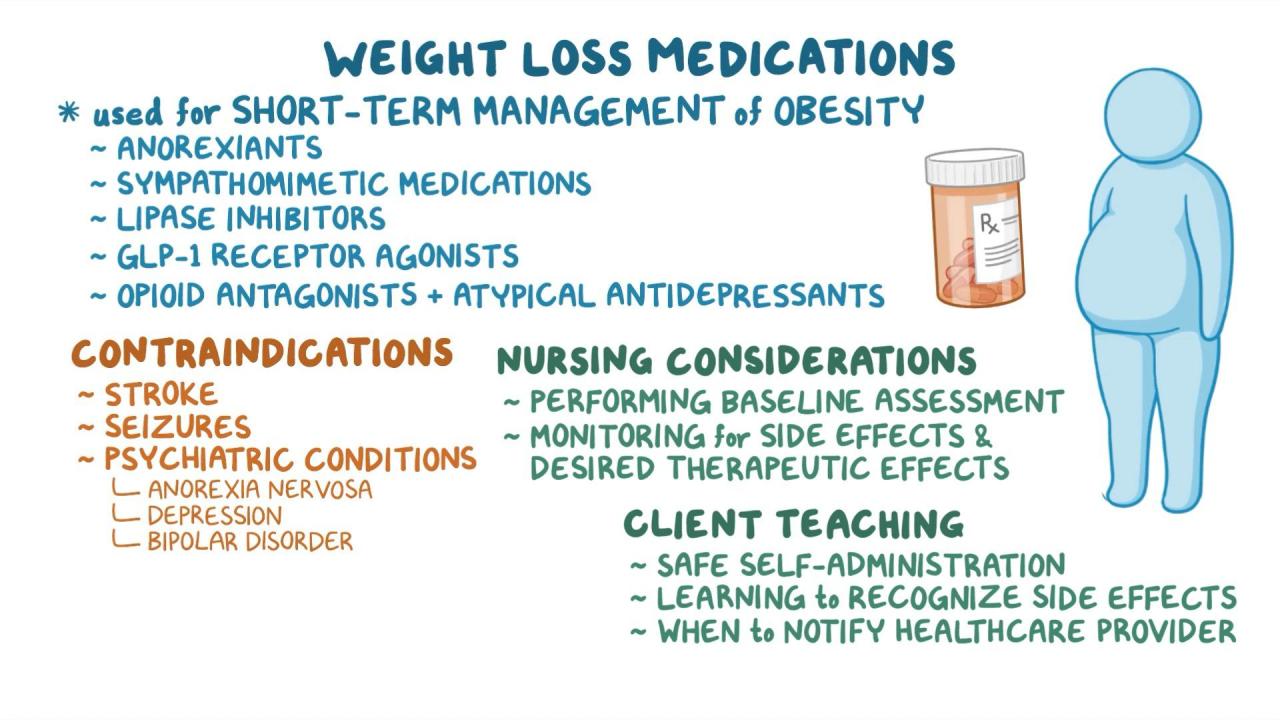 Weight loss medications can be classified into different types based on how they work to aid in weight loss and improve metabolic health. Here are some common types of weight loss medications:
Appetite Suppressants
- Examples: Phentermine, Diethylpropion
- These medications work by reducing appetite and food cravings, leading to reduced caloric intake.
- Appetite suppressants can help individuals consume fewer calories, promoting weight loss and improving metabolic health.
Fat Absorption Inhibitors
- Examples: Orlistat (Alli, Xenical)
- These medications block the absorption of fat in the intestines, reducing the number of calories absorbed from fat.
- By decreasing fat absorption, fat inhibitors can aid in weight loss and potentially improve metabolic health markers.
Metabolic Boosters
- Examples: Liraglutide (Saxenda), Phentermine/Topiramate (Qsymia)
- These medications work by increasing metabolism, helping the body burn more calories at rest or during physical activity.
- Metabolic boosters can enhance weight loss efforts and may have positive effects on metabolic health parameters.
Impact of Weight Loss Medication on Metabolic Health
Weight loss medication can have a significant impact on metabolic health by altering the body's metabolic rate. Metabolic rate refers to the number of calories the body burns at rest to maintain basic physiological functions.Effects on Metabolic Rate
Weight loss medications can increase metabolic rate by stimulating the central nervous system or altering certain hormones that regulate metabolism. For example, medications like phentermine work by increasing the release of neurotransmitters that suppress appetite and increase energy expenditure, leading to a higher metabolic rate.Potential Side Effects
While weight loss medications can help with weight management, they may also have potential side effects on metabolic health. Some common side effects include increased heart rate, elevated blood pressure, insomnia, and gastrointestinal issues. These side effects can impact metabolic health by putting additional stress on the body and affecting overall metabolic function.Studies on Impact
Studies have shown the impact of weight loss medications on metabolic health. For instance, a study published in the Journal of Clinical Endocrinology & Metabolism found that individuals taking weight loss medications experienced improvements in insulin sensitivity and lipid profiles, indicating positive effects on metabolic health. Another study in the journal Obesity Reviews demonstrated that weight loss medications can lead to significant reductions in body weight and waist circumference, positively impacting metabolic parameters.Lifestyle Changes and Weight Loss Medication
Combining lifestyle changes with weight loss medication is crucial for achieving improved metabolic health. By incorporating healthy habits into your daily routine, you can enhance the effectiveness of weight loss medication and optimize your overall well-being.
Role of Diet and Exercise
When using weight loss medication, maintaining a balanced diet and regular exercise routine is essential. A healthy diet rich in fruits, vegetables, lean proteins, and whole grains can support the weight loss process and improve metabolic function. Additionally, engaging in physical activity such as cardio, strength training, and flexibility exercises can further enhance the benefits of the medication.
Tips for Maintaining Metabolic Health
- Avoid processed foods high in sugar, unhealthy fats, and artificial ingredients.
- Stay hydrated by drinking an adequate amount of water throughout the day.
- Monitor portion sizes and practice mindful eating to prevent overeating.
- Get an adequate amount of quality sleep each night to support metabolic function.
- Consult with a healthcare professional or nutritionist for personalized guidance on diet and exercise.
Closure
In conclusion, the discussion on Weight Loss Medication and Metabolic Health unveils the intricate dynamics between these factors and emphasizes the significance of understanding their effects for optimal health outcomes.
FAQ Overview
How do weight loss medications impact metabolic health?
Weight loss medications can influence metabolic health by altering metabolic rate and promoting changes in how the body processes nutrients.
What are the common types of weight loss medications?
Common types include appetite suppressants, fat absorption inhibitors, and metabolism boosters.
Is it necessary to combine lifestyle changes with weight loss medication?
Yes, incorporating lifestyle changes such as diet modifications and regular exercise is essential for maximizing the benefits of weight loss medication on metabolic health.