Delving into the realm of human behavior and societal norms, this exploration of The Psychology Behind Lavish Living and Status Choices promises to unravel the intricate connections between materialism, social status, and personal fulfillment. Brace yourself for a journey into the intriguing world of status symbols and lavish lifestyles.
As we navigate through the complexities of motivations, societal pressures, and psychological effects, a clearer picture emerges of how our choices and desires are intertwined with our sense of self and our interactions with the world around us.
The Psychology of Status Symbols
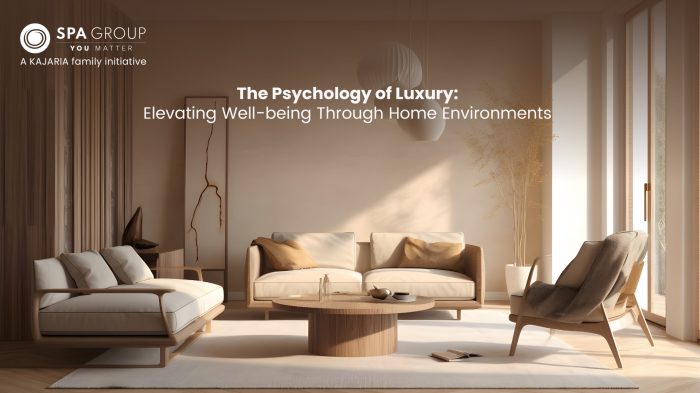 In today's society, status symbols play a significant role in shaping human behavior and interactions. These symbols often represent wealth, power, and social standing, influencing how individuals perceive themselves and others. Let's delve into the underlying psychological reasons behind people's desire for status symbols and how they impact self-esteem and social interactions.
The Desire for Status Symbols
Status symbols serve as tangible representations of success and achievement, fulfilling individuals' need for recognition and validation. These symbols can range from luxury cars and designer clothing to extravagant homes and high-end gadgets. The desire for status symbols is deeply rooted in the human psyche, driven by evolutionary instincts to display resources and attract potential mates.- Individuals often use status symbols to signal their social status and gain respect and admiration from others.
- Acquiring status symbols can also boost self-esteem and provide a sense of accomplishment, reinforcing one's perceived social standing.
- Moreover, the pursuit of status symbols can create a sense of competition and social comparison, driving individuals to strive for greater success and material wealth.
Impact on Self-Esteem and Social Interactions
The presence of status symbols can significantly impact an individual's self-esteem and overall well-being. For some, owning prestigious possessions can enhance feelings of self-worth and status, leading to increased confidence and positive self-perception. However, for others, the lack of status symbols can result in feelings of inadequacy and inferiority, contributing to low self-esteem and self-doubt.It is essential to recognize that status symbols are external manifestations of internal desires and insecurities, influencing how individuals perceive themselves and others.
- Furthermore, the prominence of status symbols in social interactions can create hierarchies and divisions among individuals, shaping the dynamics of relationships and societal norms.
- Individuals may use status symbols to assert dominance or establish social rank, influencing power dynamics and social behavior within various social settings.
- Overall, the impact of status symbols on self-esteem and social interactions highlights the complex interplay between material possessions, social identity, and psychological well-being.
Motivations for Lavish Living
Individuals are often driven by various motivations to pursue lavish lifestyles, which are characterized by extravagant spending and a display of wealth.
Social Status Influencing Spending Habits
Social status plays a significant role in influencing spending habits and lifestyle choices. People often use material possessions and luxurious items to signal their social standing and gain approval from their peers.
- Individuals may purchase expensive designer clothing, luxury cars, or high-end gadgets to showcase their wealth and status to others.
- Some may choose to live in exclusive neighborhoods or frequent upscale establishments to be associated with a particular social class.
- Luxury vacations, fine dining experiences, and high-end memberships are also common ways for individuals to exhibit their affluent lifestyle and elevate their social status.
Societal Pressure towards Conspicuous Consumption
Societal pressure can push individuals towards conspicuous consumption, where they prioritize the display of wealth and status through extravagant spending over other values or needs
- Advertising, social media influencers, and celebrity endorsements often perpetuate the idea that owning luxury goods and indulging in opulent experiences are essential for social acceptance and success.
- Peer pressure within social circles and the desire to keep up with the lifestyles of others can also drive individuals to spend beyond their means to maintain a certain image or reputation.
- The culture of consumerism and the emphasis on material possessions in society contribute to the normalization of lavish living as a symbol of achievement and happiness.
Psychological Effects of Materialism
Materialistic tendencies can have profound psychological effects on individuals, influencing various aspects of their lives.
Impact on Mental Health
- Individuals who prioritize material possessions often experience higher levels of stress and anxiety due to the constant pressure to acquire more.
- Materialism has been linked to lower levels of life satisfaction and happiness, as individuals may never feel fulfilled despite accumulating wealth and possessions.
- Research suggests that materialistic tendencies can contribute to symptoms of depression and a lack of self-worth.
Impact on Overall Well-being
- Materialism can lead to a distorted sense of self and identity, where individuals equate their worth with their possessions.
- Excessive focus on material wealth can hinder personal growth and fulfillment, as individuals may neglect other important aspects of their lives such as relationships, hobbies, and personal development.
- Individuals who prioritize material possessions over experiences may miss out on opportunities for meaningful connections and personal growth.
Impact on Relationships
- Materialistic tendencies can strain relationships, as individuals may prioritize possessions over meaningful connections with others.
- Partners of materialistic individuals may feel undervalued or neglected, leading to conflicts and dissatisfaction within the relationship.
- Research shows that materialism is negatively correlated with relationship satisfaction and intimacy, as individuals may struggle to form deep emotional bonds when material possessions take precedence.
Socioeconomic Factors and Status Choices
When it comes to lavish living and status choices, socioeconomic factors play a significant role in shaping an individual's desires and behaviors. The socioeconomic status of a person can heavily influence their pursuit of material possessions and symbols of wealth.
Influence of Income Inequality
Income inequality has been shown to have a direct impact on the pursuit of status symbols. Individuals in societies with high levels of income inequality are more likely to engage in conspicuous consumption as a way to display their social status and bridge the gap between themselves and those who are more affluent.
Impact of Social Class
Social class also plays a crucial role in how individuals perceive wealth and success. Those from higher social classes may view lavish living as a natural extension of their status and as a way to maintain their position in society. On the other hand, individuals from lower social classes might aspire to attain status symbols as a means of upward social mobility and gaining acceptance in higher social circles.
End of Discussion
In conclusion, The Psychology Behind Lavish Living and Status Choices serves as a mirror reflecting the intricate dance between material possessions, social standing, and emotional well-being. By understanding the underlying motivations and impacts, we gain insights into the complex tapestry of human nature and the pursuit of status symbols.
FAQ
Why do people feel the need for status symbols?
People often seek status symbols as a way to signal their social standing and gain recognition or approval from others.
How does materialism impact personal relationships?
Materialism can strain relationships by prioritizing possessions over emotional connections and shared experiences.
Is there a correlation between income inequality and the pursuit of lavish living?
Yes, income inequality can fuel the desire for lavish lifestyles as individuals strive to bridge the gap between social classes.