Sustainable Lavish Lifestyle: Eco-Luxury Trends sets the stage for this enthralling narrative, offering readers a glimpse into a story that is rich in detail and brimming with originality from the outset. This topic delves into the fusion of sustainability and luxury, highlighting the latest trends and practices that define a modern approach to opulence.
As we explore the realms of sustainable lavish living, we uncover the intricate balance between eco-conscious choices and a desire for luxury, paving the way for a lifestyle that is not only indulgent but also environmentally mindful.
Definition of Sustainable Lavish Lifestyle
A sustainable lavish lifestyle combines the principles of luxury living with eco-friendly practices to minimize environmental impact and promote social responsibility. It involves making conscious choices to prioritize sustainability without compromising on comfort or style.
Concept of Eco-Luxury Living
Eco-luxury living focuses on the use of environmentally friendly materials, energy-efficient technologies, and ethical production methods to create a luxurious living space. It emphasizes the importance of sustainable consumption and responsible stewardship of resources.
Examples of Sustainable Practices within a Lavish Lifestyle
- Investing in energy-efficient appliances and lighting to reduce electricity consumption.
- Choosing furniture made from recycled or upcycled materials to minimize waste.
- Supporting ethical fashion brands that prioritize fair labor practices and use eco-friendly fabrics.
- Utilizing smart home technology to monitor and optimize energy usage for a more sustainable living environment.
- Opting for organic and locally sourced food products to reduce carbon footprint and support sustainable agriculture.
Eco-Luxury Trends in Fashion
In recent years, there has been a significant shift towards sustainability in the fashion industry, especially within the realm of luxury fashion. High-end brands are now embracing eco-friendly materials and practices to reduce their environmental impact and meet the growing demand for sustainable fashion.
Integration of Eco-Friendly Materials
- Many luxury brands are now using organic cotton, recycled polyester, and other sustainable fabrics in their collections.
- Some designers are incorporating innovative materials like Piñatex (made from pineapple leaves) and Tencel (made from wood pulp) to create luxurious, eco-friendly garments.
- Brands are also exploring cruelty-free alternatives such as faux leather and lab-grown materials to replace traditional animal-derived fabrics.
Adoption of Sustainable Practices
- Luxury fashion houses are implementing environmentally friendly production processes, such as water recycling, energy-efficient manufacturing, and waste reduction strategies.
- Some brands are prioritizing ethical labor practices and transparency in their supply chains to ensure fair treatment of workers and minimize social impact.
- Several designers are focusing on creating timeless, durable pieces to promote longevity and reduce the culture of fast fashion.
Comparison with Traditional Luxury Fashion
- Eco-luxury fashion emphasizes quality over quantity, promoting wardrobe staples that stand the test of time rather than trends that quickly go out of style.
- While traditional luxury fashion often prioritizes opulence and extravagance, eco-luxury fashion values sustainability and ethical production methods.
- Consumers are increasingly seeking out eco-luxury brands that align with their values and contribute to a more sustainable future for the fashion industry.
Sustainable Design in Home Decor
When it comes to creating a luxurious living space, integrating sustainability in home decor has become a significant trend in the design world. Eco-friendly materials and sustainable practices are now essential elements in high-end interior design, offering both style and environmental consciousness.
Eco-Friendly Materials in High-End Interior Design
Many designers are opting for eco-friendly materials to create lavish home decor that not only looks stunning but also minimizes the impact on the environment. Some examples of these sustainable materials include:
- Bamboo: Known for its rapid growth and renewable nature, bamboo is a popular choice for flooring, furniture, and decor accents.
- Recycled Glass: Using recycled glass for countertops, tiles, and decorative pieces adds a touch of elegance while reducing waste.
- Organic Cotton: From bedding to upholstery, organic cotton is a sustainable choice that prioritizes environmental and social responsibility.
- Reclaimed Wood: Incorporating reclaimed wood into furniture and accents not only adds character but also helps reduce the demand for new timber.
Importance of Sustainable Practices in Creating a Lavish Living Space
Adopting sustainable practices in home decor not only contributes to a healthier planet but also enhances the overall ambiance of a luxurious living space. By choosing eco-friendly materials and investing in sustainable design, homeowners can:
- Reduce carbon footprint and environmental impact
- Create a healthier indoor environment with non-toxic materials
- Sustainably utilize resources and support ethical production practices
- Elevate the aesthetic appeal of their homes with unique, eco-conscious design elements
Eco-Conscious Travel and Hospitality
Eco-conscious travel and hospitality have become increasingly popular as people are more aware of the impact of their choices on the environment. This shift towards sustainable practices in the travel industry is changing the way luxury experiences are perceived and offered.
Rise of Eco-Luxury Travel Experiences
Luxury travelers are now seeking more than just lavish accommodations and amenities - they want experiences that are not only luxurious but also environmentally friendly. This has led to the rise of eco-luxury travel experiences that prioritize sustainability without compromising on comfort or style.
Implementation of Sustainable Initiatives in Luxury Resorts and Hotels
- Luxury resorts and hotels are implementing various sustainable initiatives to reduce their carbon footprint and promote eco-conscious practices. This includes using renewable energy sources, reducing water consumption, and implementing waste management strategies.
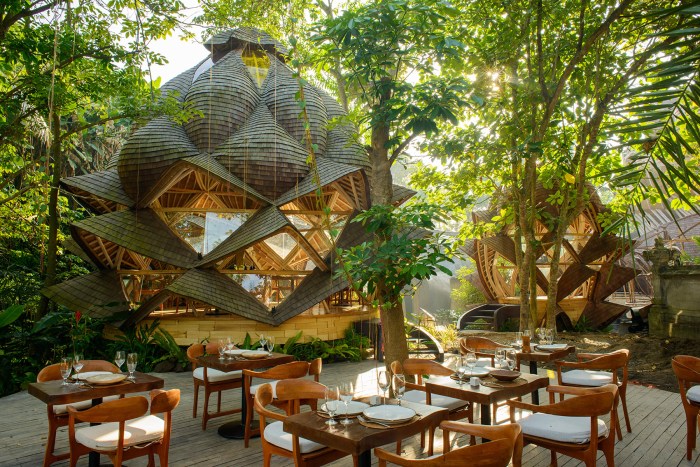
- Many luxury properties are also incorporating eco-friendly materials in their construction and design, as well as offering organic and locally sourced food options to reduce the environmental impact of their operations.
- Some hotels are even partnering with local conservation organizations to support environmental projects and initiatives in the communities where they are located.
Impact of Eco-Conscious Choices on the Travel Industry
- The growing demand for eco-conscious travel experiences has pushed the travel industry to adopt more sustainable practices across the board. This shift has not only benefited the environment but has also created new opportunities for businesses to differentiate themselves in the market.
- Consumers are now more likely to choose hotels and resorts that prioritize sustainability, leading to a competitive advantage for eco-conscious businesses. This has forced other players in the industry to reevaluate their practices and make changes to meet the growing demand for sustainable travel options.
- Overall, the impact of eco-conscious choices on the travel industry has been significant, driving a positive change towards more sustainable and responsible tourism practices worldwide.
Wellness and Sustainable Living
In a lavish lifestyle, wellness practices play a crucial role in promoting sustainable living. The intersection between wellness and sustainability ensures that individuals not only take care of themselves but also contribute positively to the environment and society.
Eco-Friendly Wellness Products and Services
When it comes to wellness in a sustainable lifestyle, there is a growing demand for eco-friendly products and services. Examples include:
- Organic skincare products made from natural ingredients that are free from harmful chemicals and are packaged in recyclable materials.
- Sustainably sourced yoga mats and fitness apparel made from recycled materials like plastic bottles or bamboo fibers.
- Eco-conscious spa treatments using organic oils and ingredients that are ethically sourced and promote environmental conservation.
Benefits of Incorporating Sustainability into Luxury Wellness Routines
Integrating sustainability into luxury wellness routines brings about numerous benefits, such as:
- Reduced carbon footprint and environmental impact, contributing to a healthier planet for future generations.
- Supporting ethical and responsible businesses that prioritize sustainability and social responsibility in their practices.
- Enhanced personal well-being through the use of natural and non-toxic products that are beneficial for both the body and the environment.
Last Word
In conclusion, Sustainable Lavish Lifestyle: Eco-Luxury Trends encapsulates the essence of a lifestyle that harmonizes luxury with sustainability, showcasing a vision of opulence that is both elegant and eco-friendly. This discussion unravels the evolving landscape of eco-luxury, offering a glimpse into a world where conscious living meets extravagant indulgence.
FAQ Corner
What defines a sustainable lavish lifestyle?
A sustainable lavish lifestyle combines opulence with eco-conscious choices, emphasizing the use of environmentally friendly practices in luxurious living.
How are high-end brands incorporating eco-friendly materials in fashion?
High-end brands are increasingly using sustainable materials like organic cotton and recycled fabrics to create luxurious eco-friendly fashion pieces.
Why is sustainable design important in home decor?
Sustainable design in home decor not only promotes eco-friendly living but also contributes to creating a healthier environment for luxurious living spaces.
What impact do eco-conscious choices have on the travel industry?
Eco-conscious choices in travel lead to the rise of eco-luxury experiences and encourage luxury resorts and hotels to adopt sustainable initiatives for a greener hospitality sector.
How do wellness practices intersect with sustainable living in a lavish lifestyle?
Wellness practices in a lavish lifestyle often focus on eco-friendly products and services, promoting a holistic approach that combines luxury with sustainability.