Embark on a journey into the world of SDC Lifestyle Strategy for Modern Remote Professionals. This comprehensive guide aims to shed light on the key components and benefits of adopting this lifestyle, offering valuable insights for remote workers seeking to enhance their well-being and productivity.
Overview of SDC Lifestyle Strategy for Modern Remote Professionals
SDC lifestyle strategy for modern remote professionals is a holistic approach to work-life balance that focuses on prioritizing self-care, digital well-being, and creating boundaries between work and personal life.
Adopting an SDC lifestyle is crucial for modern remote work as it helps individuals maintain mental health, prevent burnout, and increase productivity. By incorporating strategies to manage stress, optimize digital tools, and establish healthy routines, remote professionals can thrive in their work environment.
Benefits of SDC Lifestyle Strategy for Remote Professionals
- Improved mental health: By prioritizing self-care practices such as exercise, mindfulness, and proper sleep, remote professionals can reduce stress and anxiety levels.
- Enhanced productivity: Setting boundaries between work and personal life helps remote professionals stay focused during work hours and fully disconnect during downtime, leading to increased efficiency.
- Better work-life balance: Implementing a structured daily routine that includes time for work, relaxation, and social activities allows remote professionals to maintain a healthy balance between their professional and personal lives.
Components of SDC Lifestyle Strategy
Living a successful SDC lifestyle as a modern remote professional involves incorporating various key components that contribute to overall well-being and productivity. By integrating these components into daily routines effectively, remote professionals can achieve a healthy work-life balance and optimal performance.
1. Physical Wellness
Physical wellness is crucial for remote professionals to stay healthy and maintain energy levels throughout the day. It includes regular exercise, proper nutrition, and adequate rest. By staying active, eating balanced meals, and getting enough sleep, remote professionals can improve their physical health and boost their productivity.
2. Mental Health
Mental health plays a significant role in the overall well-being of remote professionals. Practicing mindfulness, managing stress effectively, and seeking support when needed are essential components of mental health maintenance. By prioritizing mental well-being, remote professionals can enhance their focus, creativity, and decision-making abilities.
3. Work-Life Balance
Creating a healthy work-life balance is essential for remote professionals to prevent burnout and maintain motivation. Setting boundaries between work and personal life, scheduling breaks, and engaging in leisure activities are key components of achieving work-life balance. By prioritizing time for relaxation and hobbies, remote professionals can recharge and improve their overall quality of life.
4. Continuous Learning
Continuous learning is crucial for remote professionals to stay competitive and adapt to changing work environments. Engaging in professional development opportunities, acquiring new skills, and staying updated on industry trends are vital components of continuous learning. By investing in their personal growth, remote professionals can enhance their career prospects and stay ahead in their field.
Time Management Techniques for SDC Lifestyle
In a modern remote professional setting, mastering time management is crucial to maintain productivity and work-life balance. Let's explore some effective time management strategies tailored to the SDC lifestyle.Adopting a Flexible Schedule
- Design a flexible work schedule that aligns with your peak productivity hours.
- Utilize time blocking to allocate specific time slots for tasks and breaks throughout the day.
- Adjust your schedule as needed to accommodate unexpected events or personal commitments.
Utilizing Technology Tools
- Use productivity apps and software to organize tasks, set reminders, and track progress.
- Implement project management tools to collaborate with team members and streamline workflows.
- Utilize time tracking applications to monitor time spent on different tasks and identify areas for improvement.
Setting Clear Priorities
- Identify and prioritize high-impact tasks that contribute to your long-term goals.
- Break down complex projects into smaller, manageable tasks to avoid feeling overwhelmed.
- Establish daily, weekly, and monthly goals to stay focused and motivated.
Health and Wellness Practices in SDC Lifestyle
 Prioritizing health and wellness in the SDC lifestyle is crucial for remote professionals to maintain a balanced and sustainable work routine. By incorporating specific wellness practices, individuals can not only enhance their physical and mental well-being but also improve productivity and achieve a better work-life balance.
Regular Exercise Routine
- Engaging in regular physical activity, whether it's a daily workout, yoga session, or a short walk, can help remote professionals stay active and reduce stress levels.
- Exercise boosts energy levels, improves focus, and enhances overall mood, leading to increased productivity during work hours.
Healthy Eating Habits
- Consuming nutritious meals and snacks throughout the day can provide remote professionals with the necessary fuel to sustain their energy levels and mental clarity.
- Opting for balanced meals rich in fruits, vegetables, lean proteins, and whole grains can support cognitive function and prevent energy crashes.
Mindfulness and Stress Management
- Practicing mindfulness techniques such as meditation, deep breathing exercises, or mindfulness walks can help remote professionals reduce stress, increase focus, and promote mental well-being.
- Managing stress effectively can lead to better decision-making, improved creativity, and a more positive outlook on work and life.
Adequate Rest and Sleep
- Prioritizing quality sleep and ensuring adequate rest is essential for remote professionals to recharge, enhance cognitive function, and maintain overall health.
- A consistent sleep schedule, a comfortable sleep environment, and relaxation techniques before bedtime can contribute to better sleep quality and overall well-being.
Establishing Boundaries and Work-Life Integration
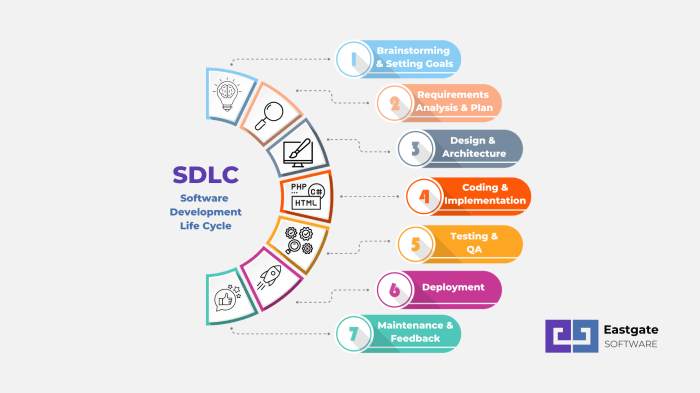 Setting boundaries is crucial in the SDC lifestyle as it helps maintain a healthy balance between work and personal life. Without clear boundaries, remote professionals may find themselves working excessively, leading to burnout and decreased productivity.
 Effective Boundary-Setting Strategies
- Establish a designated workspace: Create a separate area in your home solely dedicated to work to mentally separate work from personal life.
- Set specific work hours: Define your work schedule and stick to it to avoid overworking and ensure time for relaxation.
- Communicate expectations with others: Inform family members or housemates about your work hours and the importance of uninterrupted time during those periods.
- Utilize technology tools: Use apps or tools that help you block distracting websites or set reminders for breaks to maintain focus.
Achieving Work-Life Integration
Work-life integration involves blending work responsibilities with personal activities seamlessly to lead a fulfilling life. Here are some insights:- Establish a routine: Create a daily schedule that includes work tasks, personal time, exercise, and relaxation to maintain a balance.
- Practice mindfulness: Stay present in the moment during work hours and personal time to fully engage in each activity without distractions.
- Set boundaries with work emails and messages: Avoid checking work-related notifications outside of designated work hours to disconnect and recharge.
- Prioritize self-care: Make time for activities that promote physical and mental well-being, such as exercise, hobbies, and spending time with loved ones.
Social Connection and Community Building in SDC Lifestyle
In the modern remote professional's SDC lifestyle, social connection plays a crucial role in maintaining a sense of belonging, reducing feelings of isolation, and fostering a supportive network of like-minded individuals.Building a Supportive Community
Creating a supportive community while working remotely involves actively seeking out opportunities for connection and collaboration with colleagues, industry peers, and other remote professionals. Here are some ways to build a strong network:
- Join virtual networking events, industry-specific online communities, and remote work support groups to connect with others facing similar challenges and experiences.
- Participate in online forums, social media groups, and virtual meetups to engage in discussions, share knowledge, and build relationships with professionals in your field.
- Organize virtual coffee chats, networking sessions, or collaborative projects to cultivate relationships with colleagues and expand your professional network.
Impact on Mental Well-being and Job Satisfaction
Fostering social connections in the SDC lifestyle has a profound impact on mental well-being and job satisfaction. By building a supportive community, remote professionals can:
- Combat feelings of isolation and loneliness, leading to improved emotional health and overall well-being.
- Receive valuable support, advice, and feedback from peers, enhancing personal growth and professional development.
- Increase job satisfaction and motivation through shared experiences, recognition, and a sense of belonging within a community of like-minded individuals.
Conclusion
In conclusion, embracing an SDC lifestyle can lead to a transformative experience for modern remote professionals. By integrating time management techniques, prioritizing health and wellness, establishing boundaries, and fostering social connections, individuals can achieve a harmonious work-life balance while excelling in their professional endeavors.
Helpful Answers
How can SDC lifestyle strategy benefit remote professionals?
SDC lifestyle strategy can enhance productivity, improve overall well-being, and promote a healthy work-life balance for remote professionals.
What are the key components of an SDC lifestyle strategy?
The key components include time management techniques, health and wellness practices, establishing boundaries, and building social connections.
How can remote professionals integrate SDC principles into their daily routines effectively?
Remote professionals can integrate SDC principles by creating a personalized time management plan, prioritizing health and wellness, setting boundaries, and actively engaging in social connections.