Diving into the realm of Residential Mental Health Facilities for Long-Term Care, this introduction aims to captivate readers with an intriguing overview of the topic. It delves into the various aspects of long-term mental health care in these facilities, setting the stage for an informative and engaging discussion.
The subsequent paragraph will provide a detailed and informative look at the topic.
Overview of Residential Mental Health Facilities for Long-Term Care
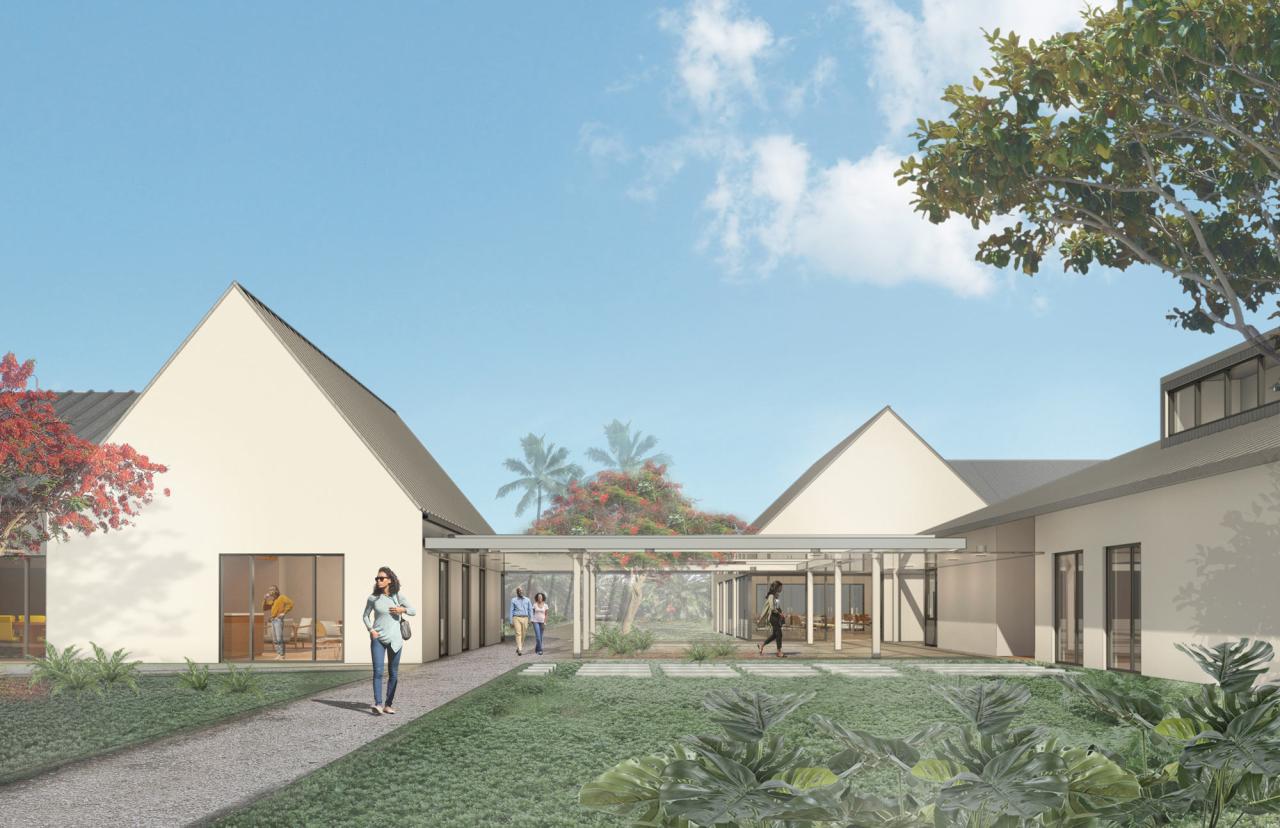 Residential mental health facilities for long-term care are specialized facilities that cater to individuals with severe and persistent mental health conditions who require ongoing support and treatment. These facilities offer a structured and supervised environment where residents can receive comprehensive care to help manage their mental health symptoms and improve their overall quality of life.
Services Offered in Residential Mental Health Facilities
Residential mental health facilities typically offer a range of services to meet the diverse needs of their residents. Some common services include:- 24/7 psychiatric care and monitoring
- Individual and group therapy sessions
- Medication management and administration
- Life skills training and support
- Recreational activities and socialization opportunities
- Nutritional counseling and meal planning
Importance of Residential Mental Health Facilities
Residential mental health facilities play a crucial role in the mental health care system by providing long-term care for individuals with complex mental health needs. These facilities offer a safe and supportive environment for residents to receive the ongoing treatment and assistance they require, reducing the risk of relapse and hospitalization. By integrating medical, therapeutic, and social services, residential facilities help individuals with mental illness achieve stability, improve their functioning, and enhance their quality of life.Types of Residential Mental Health Facilities
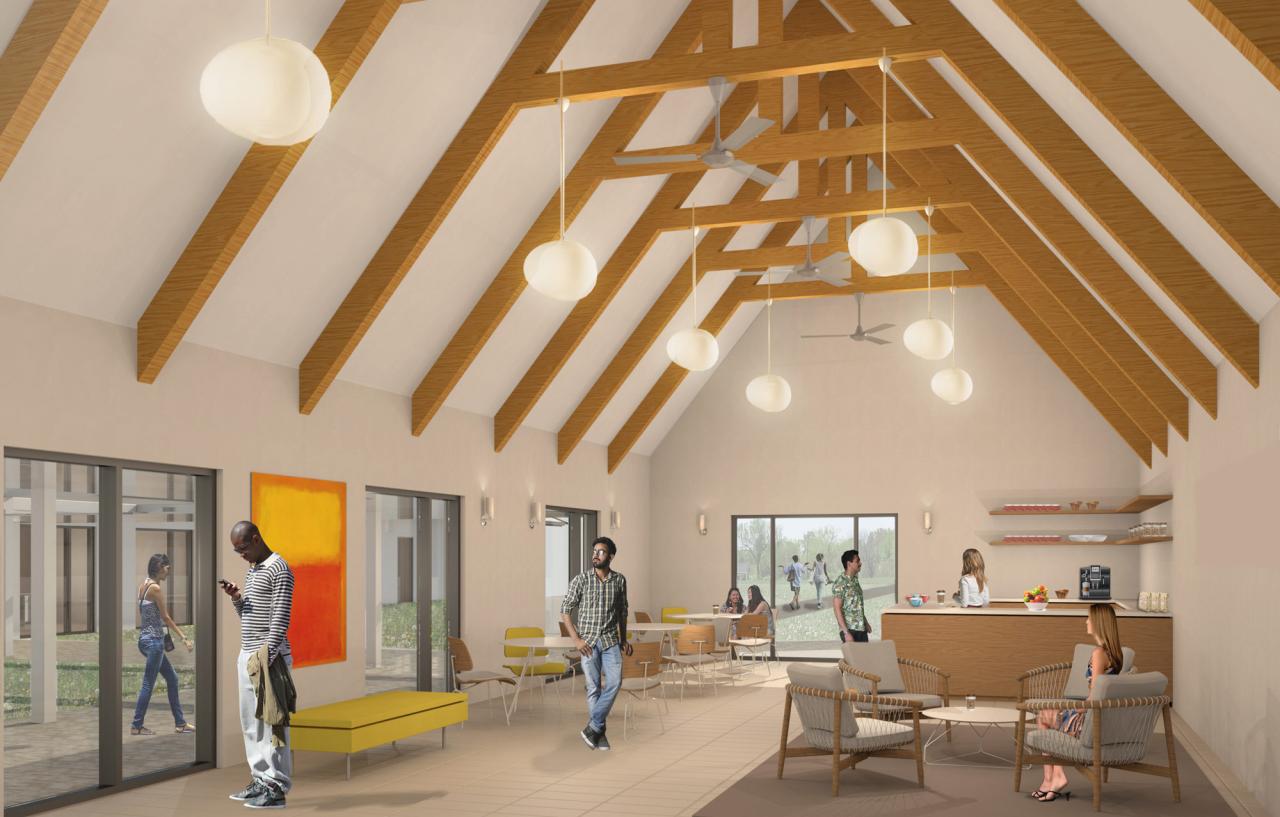 When it comes to long-term care for mental health issues, there are different types of residential facilities available to cater to the varying needs of individuals.
Inpatient Facilities
Inpatient facilities are residential treatment centers where individuals stay for an extended period to receive intensive care and treatment. These facilities provide 24/7 supervision and support, making them suitable for individuals with severe mental health conditions that require constant monitoring. Inpatient facilities offer a structured environment with access to various therapies, medications, and medical professionals, ensuring comprehensive care for residents.Outpatient Facilities
Outpatient facilities, on the other hand, offer mental health services to individuals who do not require 24/7 supervision. These facilities allow individuals to attend therapy sessions, counseling, and other treatments while still living at home. Outpatient facilities are ideal for individuals with milder mental health issues or those transitioning from inpatient care to independent living. They provide flexibility and convenience while still offering essential support and treatment options.Benefits of Each Type of Facility
- Inpatient Facilities:Provide round-the-clock care and supervision
Offer a structured environment for intensive treatment
Access to a multidisciplinary team of professionals- Outpatient Facilities:
Allow individuals to maintain their daily routines while receiving treatment
Provide flexibility in scheduling therapy sessions
Support individuals in transitioning to independent living
Admission Process and Criteria
When individuals seek long-term care in residential mental health facilities, they typically go through a structured admission process that involves several steps to ensure they receive appropriate care and support.
Admission Process
- Initial Assessment: The process usually begins with an initial assessment conducted by a mental health professional to determine the individual's needs and level of care required.
- Medical Evaluation: A medical evaluation is often performed to assess the individual's physical health and any existing medical conditions.
- Paperwork and Documentation: Completing necessary paperwork, such as consent forms and medical history documents, is a crucial part of the admission process.
- Personal Interview: The individual may also have a personal interview with the facility staff to discuss their goals, preferences, and expectations for treatment.
Admission Criteria
- Diagnosis: Individuals seeking admission to residential mental health facilities must have a diagnosed mental health condition that requires long-term care.
- Need for Supervision: They should demonstrate a need for 24-hour supervision and support due to their mental health symptoms or challenges.
- Stability: Individuals should be stable enough to benefit from the services provided in the facility and not pose a risk to themselves or others.
- Financial Resources: Some facilities may require individuals to have adequate financial resources or insurance coverage to cover the cost of care.
It is essential for individuals to meet the admission criteria to ensure they receive the appropriate level of care and support in residential mental health facilities.
Legal and Ethical Considerations
- Confidentiality: Maintaining the confidentiality of personal information and medical records is a legal and ethical consideration in the admission process.
- Informed Consent: Ensuring that individuals provide informed consent for treatment and care is crucial to uphold their rights and autonomy.
- Non-discrimination: Facilities must adhere to laws and regulations prohibiting discrimination based on factors such as race, gender, or disability during the admission process.
Treatment Approaches and Programs
Residential mental health facilities for long-term care utilize a variety of treatment approaches to address the complex needs of individuals with mental health conditions. These approaches typically involve a combination of therapy, medication, and other interventions tailored to each resident's specific requirements.Therapy
Therapy plays a crucial role in the treatment programs offered at residential mental health facilities. Individual therapy sessions with trained mental health professionals help residents explore their thoughts, emotions, and behaviors in a safe and supportive environment. Group therapy sessions also enable residents to connect with others facing similar challenges and provide a sense of community.
Medication
Medication management is another essential component of treatment in residential mental health facilities. Psychiatrists work closely with residents to determine the most effective medication regimen to manage symptoms and improve overall mental well-being. Regular monitoring and adjustments are made to ensure the medication plan is optimized for each individual.
Other Interventions
In addition to therapy and medication, residential mental health facilities may offer a range of other interventions such as mindfulness practices, recreational therapy, art therapy, and life skills training. These interventions aim to promote holistic healing and equip residents with coping strategies to navigate daily challenges effectively.
Success in long-term care facilities often stems from a comprehensive treatment approach that addresses the individual's mental health needs from multiple angles.
Staffing and Support Services
Staffing and support services within residential mental health facilities play a crucial role in providing comprehensive care to long-term residents. The key staff members, interdisciplinary teams, and range of support services are essential components in ensuring the well-being and recovery of individuals with mental health conditions.Key Staff Members
In residential mental health facilities, the key staff members involved in providing care include psychiatrists, psychologists, social workers, psychiatric nurses, occupational therapists, and mental health counselors. Each member brings a unique set of skills and expertise to address the various needs of residents, from medication management to therapy sessions.Importance of Interdisciplinary Teams
Interdisciplinary teams consisting of different healthcare professionals are essential in supporting long-term care residents. These teams collaborate to develop individualized treatment plans, monitor progress, and address any challenges that may arise during the resident's stay. The holistic approach ensures that all aspects of the resident's well-being are taken into consideration for a comprehensive care plan.Range of Support Services
Residential mental health facilities offer a range of support services to residents to enhance their quality of life and promote recovery. These services may include individual and group therapy sessions, medication management, recreational activities, life skills training, and family therapy. The goal is to provide a supportive environment where residents can build coping skills, improve social interactions, and work towards their recovery goals.Final Thoughts
Concluding our exploration of Residential Mental Health Facilities for Long-Term Care, this section summarizes the key points discussed and leaves readers with a compelling final thought.
Quick FAQs
What are the criteria for admission to residential mental health facilities for long-term care?
Criteria for admission typically include a psychiatric evaluation, the need for long-term care, and a willingness to participate in treatment programs.
What types of treatment approaches are commonly used in these facilities?
Treatment approaches may include therapy, medication management, group therapy, and holistic interventions tailored to individual needs.
How do interdisciplinary teams support residents in long-term care facilities?
Interdisciplinary teams collaborate to provide comprehensive care, combining medical, therapeutic, and social support to address residents' mental health needs.