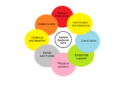
Physical Injury Prevention in Active Lifestyles introduces a critical aspect of maintaining a healthy and active life. As individuals engage in various physical activities, the risk of injuries looms large, impacting their overall well-being. This article delves into practical strategies and insights to help readers navigate the realm of injury prevention with ease.
The following paragraphs will explore key aspects of injury prevention, shedding light on exercises, gear, nutrition, and hydration that play a pivotal role in safeguarding against injuries.
Importance of Physical Injury Prevention in Active Lifestyles
 In an active lifestyle, physical injury prevention is crucial to ensure that individuals can continue to engage in various physical activities and maintain their overall well-being. By taking steps to prevent injuries, individuals can avoid setbacks that may hinder their ability to stay active and healthy.
Common Injuries in Active Individuals
- Sprains and strains: Often occur due to overuse or improper form during physical activities like running, weightlifting, or playing sports.
- Tendonitis: Inflammation of the tendons caused by repetitive movements, common in activities like swimming, tennis, or golf.
- Stress fractures: Microscopic cracks in bones from repetitive impact, common in runners and dancers.
Impact of Injuries on Physical Activity Levels and Well-being
Injuries can significantly impact an individual's physical activity levels and overall well-being. They may lead to temporary or even long-term limitations in movement and participation in activities. This can result in a decrease in fitness levels, mood changes, and even potential weight gain due to reduced physical activity. Moreover, injuries can also affect an individual's mental health, as the inability to engage in activities they enjoy can lead to feelings of frustration and helplessness.Strategies for Injury Prevention
Regular physical activity is crucial for maintaining a healthy lifestyle, but it also comes with the risk of injury. To prevent common injuries, it is essential to incorporate specific exercises, stretches, warm-up routines, and safety tips into your active lifestyle.Specific Exercises and Stretches
- Hamstring stretches: Stretching the hamstrings can help prevent strains and tears, especially for activities that involve running or jumping.
- Rotator cuff exercises: Strengthening the rotator cuff muscles can reduce the risk of shoulder injuries, common in sports like tennis or baseball.
- Core stability exercises: Building a strong core can improve overall body alignment and reduce the risk of back injuries during activities like weightlifting or cycling.
Effectiveness of Warm-Up Routines
Warm-up routines play a crucial role in injury prevention by increasing blood flow to the muscles, improving flexibility, and preparing the body for more intense activity. Dynamic warm-ups, such as jumping jacks or leg swings, are more effective than static stretching alone in preventing injuries.
List of Safety Tips
- Proper footwear: Wearing appropriate shoes for different activities can provide better support and reduce the risk of ankle or foot injuries.
- Gradual progression: Avoid sudden increases in intensity or duration of physical activities to prevent overuse injuries like tendonitis or stress fractures.
- Cross-training: Engaging in a variety of activities can prevent overuse of specific muscles and joints, reducing the risk of repetitive strain injuries.
Equipment and Gear for Injury Prevention
Proper equipment and gear are essential for preventing injuries during physical activities. Choosing the right gear can make a significant difference in reducing the risk of injuries and ensuring a safe and enjoyable experience.Importance of Proper Footwear
Wearing the right footwear is crucial in injury prevention, especially during activities like running, hiking, or playing sportsProtective Gear for Sports and Workouts
Different sports and activities require specific protective gear to minimize the risk of injuries. For example, helmets are essential for cycling, skateboarding, or snowboarding to protect the head from potential impact. Pads and guards can help prevent bruises, cuts, and fractures during contact sports like football or hockey. Additionally, wearing compression garments or braces can provide support to joints and muscles, reducing the likelihood of sprains or strains. Ensuring that you have the appropriate protective gear for your chosen activity can significantly enhance your safety and prevent unnecessary injuries.Nutrition and Hydration for Injury Prevention
Proper nutrition and hydration play a crucial role in preventing injuries and promoting overall physical well-being. A balanced diet provides the necessary nutrients for muscle recovery, while adequate hydration helps prevent muscle cramps and injuries during physical activities.Benefits of a Balanced Diet
A balanced diet rich in essential nutrients such as proteins, carbohydrates, healthy fats, vitamins, and minerals can significantly contribute to injury prevention. These nutrients support muscle repair and growth, reduce inflammation, and boost overall performance.
Foods that Promote Muscle Recovery and Reduce Inflammation
- Lean proteins like chicken, fish, tofu, and legumes aid in muscle repair and growth.
- Healthy fats found in nuts, seeds, and avocados help reduce inflammation in the body.
- Anti-inflammatory foods such as berries, leafy greens, and turmeric can help speed up recovery and reduce muscle soreness.
Role of Hydration in Preventing Muscle Cramps
Proper hydration is essential to prevent muscle cramps and injuries during physical activities. Dehydration can lead to decreased muscle function and increased risk of cramps. It is important to stay hydrated before, during, and after exercise to maintain optimal performance and prevent injuries.
Last Recap
In conclusion, prioritizing injury prevention in active lifestyles is not just about avoiding physical harm but also about sustaining a fulfilling and sustainable journey towards wellness. By implementing the strategies Artikeld here, individuals can proactively protect themselves and continue to enjoy their favorite physical pursuits with confidence and vitality.
Q&A
What are some common injuries active individuals may encounter?
Common injuries include sprains, strains, tendonitis, and stress fractures, among others.
How does hydration contribute to preventing muscle cramps during physical activities?
Proper hydration helps maintain electrolyte balance, reducing the likelihood of muscle cramps during exercise.
Why is proper footwear important in injury prevention?
Appropriate footwear provides support, stability, and cushioning, reducing the risk of foot and leg injuries.