Delving into the realm of Options Wellbeing and Patient-Centered Care opens up a world of possibilities where healthcare meets compassion and individuality. As we navigate through this dynamic landscape, we uncover the intricate balance between patient needs and overall wellness, paving the way for a transformative healthcare experience.
In the following paragraphs, we will delve deeper into the essence of patient-centered care, the significance of intertwining wellbeing with healthcare practices, and the profound impact these concepts have on both patients and providers.
Options for Wellbeing and Patient-Centered Care
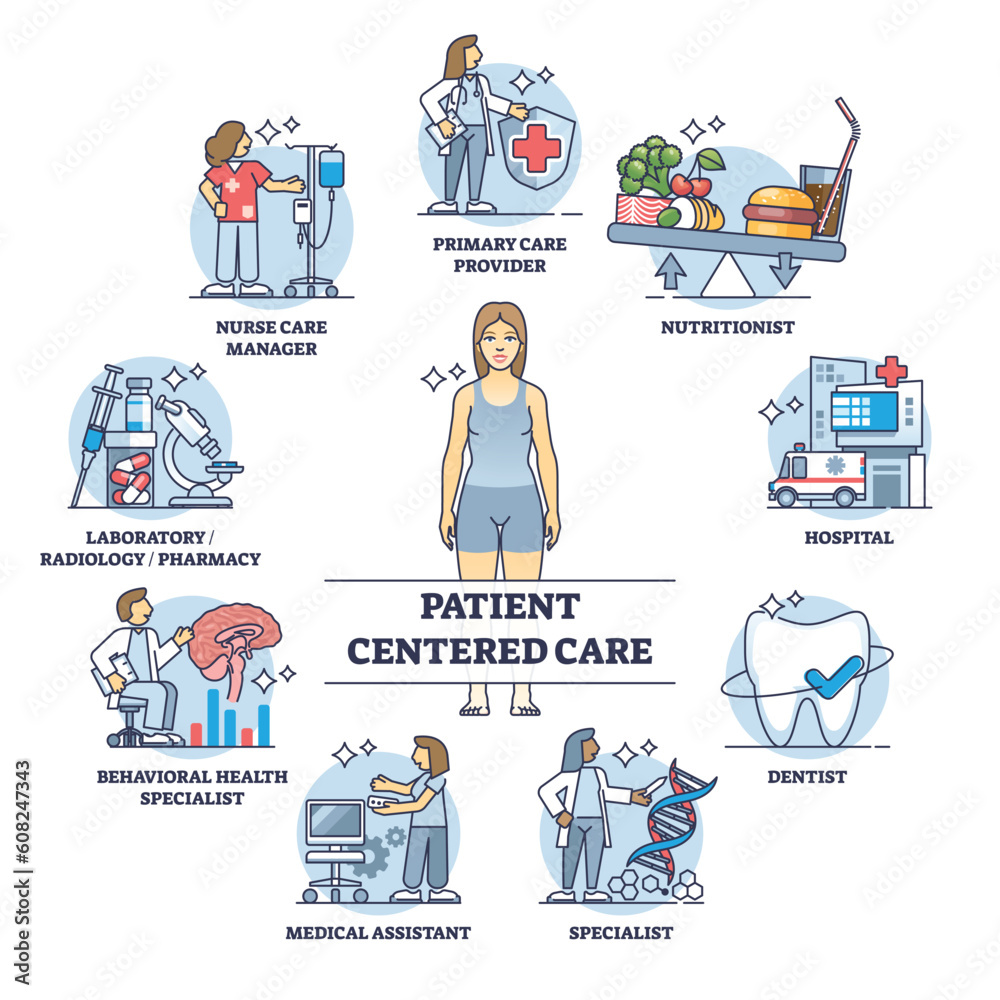 Patient-centered care is a healthcare approach that prioritizes the individual needs, preferences, and values of patients. It involves actively involving patients in their care decisions, fostering partnerships between healthcare providers and patients, and considering patients' emotional, social, and physical needs.Integrating wellbeing into healthcare practices is crucial as it recognizes that a patient's overall health is influenced by various factors beyond just physical symptoms. Wellbeing encompasses emotional, mental, and social aspects that can significantly impact a person's health and recovery process. By addressing these aspects, healthcare providers can offer more holistic and effective care to patients.
Importance of Patient-Centered Care in Promoting Wellbeing
- Enhanced Communication: Patient-centered care encourages open communication between patients and healthcare providers, leading to better understanding of patients' needs and concerns.
- Empowerment: By involving patients in decision-making processes, patient-centered care empowers individuals to take an active role in managing their health and wellbeing.
- Improved Outcomes: When patients feel heard, respected, and involved in their care, they are more likely to adhere to treatment plans and experience better health outcomes.
- Promotion of Emotional Wellbeing: Patient-centered care acknowledges the emotional impact of illness and treatment, leading to better emotional support for patients.
Strategies for Implementing Patient-Centered Care
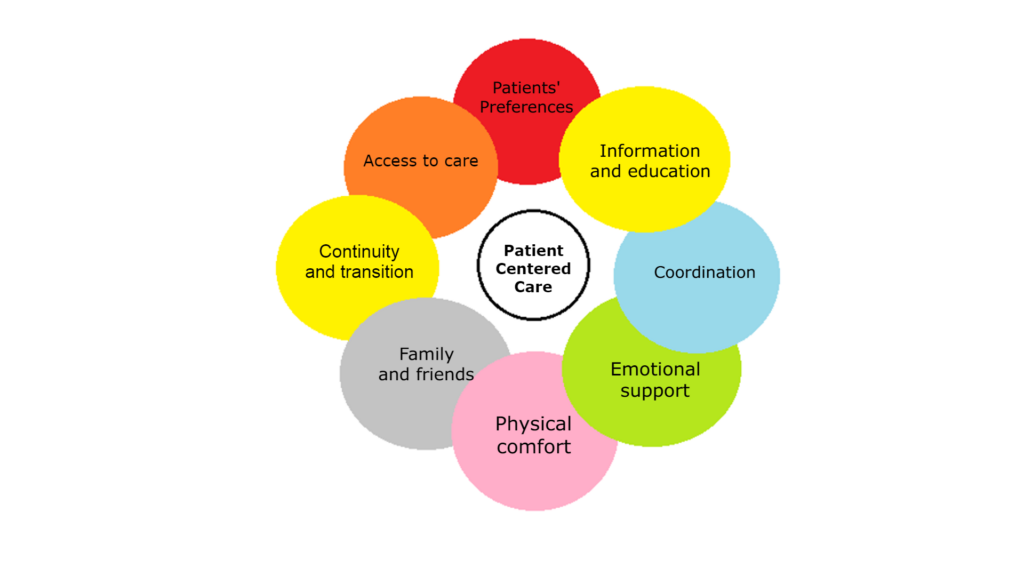 Implementing patient-centered care involves tailoring care plans to meet individual patient needs, enhancing communication between healthcare providers and patients, and utilizing technology to support these initiatives.
Tailoring Care Plans
Healthcare providers can tailor care plans by taking into account each patient's unique preferences, values, and goals. This can involve collaborative goal-setting with the patient, ensuring their input is valued and incorporated into the treatment plan.
Enhancing Communication
Effective communication is key to patient-centered care. Healthcare providers should actively listen to patients, provide clear explanations in layman's terms, and encourage open dialogue. This can help build trust and ensure that patients feel empowered in their healthcare decisions.
Role of Technology
Technology plays a crucial role in supporting patient-centered care initiatives. Electronic health records can help providers access patient information quickly, while telemedicine allows for remote consultations and follow-ups. Patient portals also enable patients to access their health information and communicate with their healthcare team conveniently.
Benefits of Prioritizing Wellbeing in Healthcare
Focusing on patient wellbeing in healthcare can have a multitude of benefits that positively impact both patients and providers. By prioritizing wellbeing, healthcare providers can improve health outcomes, enhance patient satisfaction and trust, and ultimately create a more holistic approach to careImproving Health Outcomes
- Enhanced patient engagement: When patients feel their wellbeing is a priority, they are more likely to actively participate in their care plan and adhere to treatments.
- Prevention of chronic conditions: By addressing physical, mental, and emotional wellbeing, healthcare providers can help prevent the development or exacerbation of chronic conditions.
- Faster recovery: Patients who feel supported in all aspects of their wellbeing tend to recover more quickly from illnesses or surgeries.
Impact on Patient Satisfaction and Trust
- Increased satisfaction: Patients are more satisfied with their care when they feel their overall wellbeing is being considered, leading to positive feedback and loyalty.
- Building trust: Prioritizing wellbeing helps build trust between patients and healthcare providers, fostering a strong and lasting relationship based on mutual respect and understanding.
- Improved communication: Patients are more likely to openly communicate their needs and concerns when they feel their wellbeing is valued, leading to better outcomes.
Holistic Approach to Care
- Comprehensive treatment: A holistic approach to care considers all aspects of a patient's wellbeing, leading to a more comprehensive and effective treatment plan.
- Reduced healthcare costs: By addressing wellbeing proactively, healthcare providers can prevent costly interventions and hospitalizations, leading to overall cost savings.
- Enhanced provider well-being: When providers prioritize patient wellbeing, they often experience greater job satisfaction and reduced burnout, ultimately benefiting both patients and providers.
Challenges and Solutions in Promoting Wellbeing and Patient-Centered Care
Patient-centered care practices face several common obstacles that can hinder their effective implementation in healthcare settings. These challenges include resistance to change from healthcare providers, time constraints, lack of resources, and a focus on treating symptoms rather than the whole patient. However, there are solutions that can help overcome these barriers and prioritize patient wellbeing.Obstacles to Implementing Patient-Centered Care
One of the main obstacles to implementing patient-centered care is the resistance to change from healthcare providers who are accustomed to traditional models of care delivery. Additionally, time constraints in busy healthcare settings can make it difficult for providers to dedicate the necessary time to truly engage with patients and involve them in their care decisions. Furthermore, a lack of resources, both financial and human, can limit the ability to provide comprehensive, patient-centered care. Finally, the prevalent focus on treating symptoms rather than addressing the underlying causes of illness can impede the adoption of a holistic approach to patient care.
Solutions for Prioritizing Patient Wellbeing
- Implementing training programs for healthcare providers to educate them on the benefits of patient-centered care and provide them with the necessary skills to engage with patients effectively.
- Allocating sufficient time for patient consultations and care planning to ensure that patients feel heard, understood, and actively involved in their treatment decisions.
- Investing in resources such as technology and support staff to streamline processes and enable providers to focus on delivering personalized care to each patient.
- Promoting a shift in mindset towards preventive and holistic care approaches that address not only the symptoms but also the underlying factors contributing to patients' health issues.
Role of Training and Education in Fostering Patient-Centered Care
Training and education play a crucial role in fostering a patient-centered care environment by equipping healthcare providers with the knowledge and skills needed to engage with patients effectively. By emphasizing the importance of empathy, communication, and shared decision-making, training programs can help providers build strong relationships with patients based on trust and collaboration. Furthermore, ongoing education can keep healthcare professionals updated on the latest advancements in patient-centered care practices and encourage a culture of continuous improvement within healthcare organizations.
Conclusive Thoughts
In closing, the journey through Options Wellbeing and Patient-Centered Care unveils a tapestry of interconnected strategies, challenges, and triumphs that shape the future of healthcare delivery. By prioritizing patient wellbeing and embracing a holistic approach to care, we pave the way for a more compassionate and effective healthcare system that prioritizes the individual needs of each patient.
FAQ Overview
How can patient-centered care improve overall wellbeing?
By focusing on individual patient needs, preferences, and values, patient-centered care ensures a more personalized and effective healthcare experience, ultimately promoting better overall wellbeing.
What are some common obstacles to implementing patient-centered care?
Common obstacles include resistance to change within healthcare systems, lack of resources or training, and the challenge of shifting from a provider-focused to a patient-centered approach.
How does technology support patient-centered care initiatives?
Technology aids in enhancing communication, streamlining processes, and providing access to health information, all of which contribute to more efficient and patient-centric healthcare delivery.