Delving into Mental Benefits of Dancing and Cognitive Health, this introduction immerses readers in a unique and compelling narrative. Dancing goes beyond just physical movement, as it has the power to enhance cognitive function and overall well-being. Through this exploration, we uncover the profound impact of dancing on the mind and its cognitive abilities, offering a fascinating journey into the world of dance and mental health.
As we continue to unravel the intricate connection between dancing and cognitive health, we will discover how this art form can not only uplift our spirits but also sharpen our minds in ways we never imagined.
Mental Benefits of Dancing and Cognitive Health
Dancing has been shown to have numerous mental benefits, including improving cognitive function. Engaging in dance activities can stimulate various parts of the brain, leading to enhanced cognitive abilities.Dances Beneficial for Cognitive Health
- Ballroom Dancing: Requires coordination, memory, and focus, which can improve cognitive function.
- Line Dancing: Helps with memory recall and concentration as dancers follow specific sequences of steps.
- Ballet: Combines physical strength with mental focus, promoting overall cognitive health.
Impact of Dancing on Memory and Concentration
Dancing involves learning and remembering different steps, routines, and patterns, which can significantly enhance memory function. The need to concentrate on movements, music, and coordination during dancing can also improve overall focus and concentration levels.Physical Exercise and Brain Health
Regular physical activity, such as dancing, has been shown to have numerous benefits for brain health. The combination of movement, coordination, and social interaction involved in dancing can have a positive impact on cognitive function.Benefits of Physical Activity Through Dancing
- Dancing increases blood flow to the brain, delivering more oxygen and nutrients, which can improve brain function.
- The complex movements and patterns in dancing can stimulate the brain, promoting the growth of new neural connections.
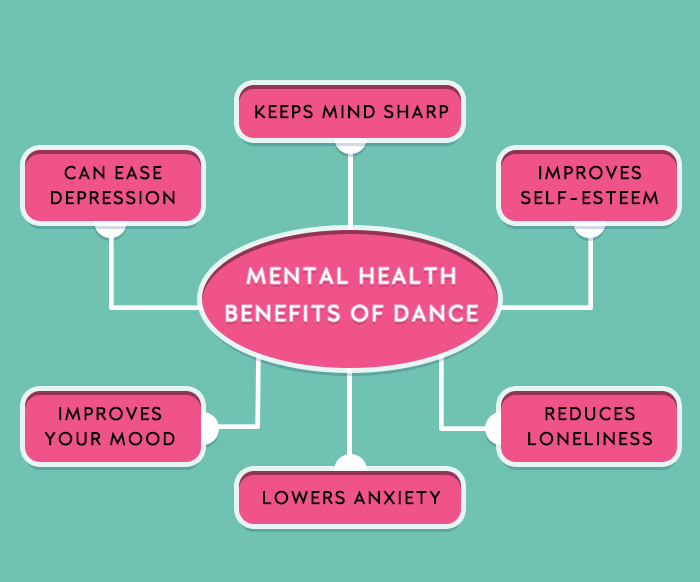
- Dancing can help reduce stress and anxiety, which can have a beneficial effect on overall brain health.
Comparison with Other Forms of Exercise
- Compared to other forms of exercise, dancing requires coordination, rhythm, and memory recall, which can engage multiple areas of the brain simultaneously.
- While activities like walking or jogging primarily focus on cardiovascular health, dancing provides a more comprehensive workout for both the body and the brain.
Preventing Cognitive Decline
- Research has shown that engaging in activities like dancing can help in preventing cognitive decline and reducing the risk of developing neurodegenerative diseases such as Alzheimer's.
- The social aspect of dancing can also contribute to brain health by promoting social connections and reducing feelings of isolation, which are important factors in maintaining cognitive function as we age.
Social Interaction and Cognitive Well-being
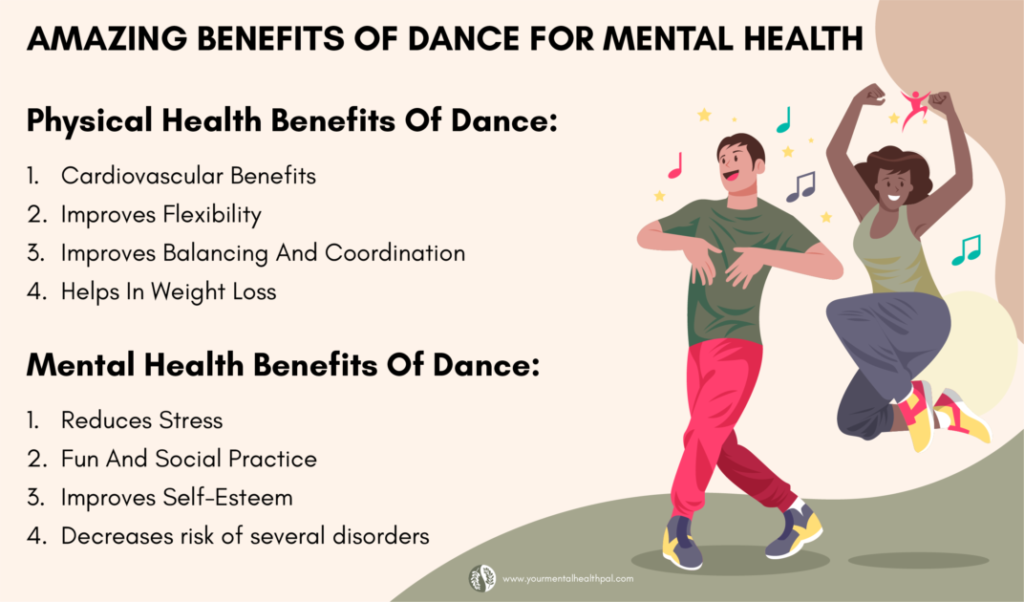 Dancing is not only a physical activity but also a social one that can greatly benefit cognitive well-being. The social aspect of dancing involves interacting with others, forming connections, and engaging in a shared experience that can have positive effects on mental health.
Role of Social Dancing in Improving Cognitive Well-being
Social dancing provides opportunities for individuals to engage in social interactions that can help improve cognitive well-being. When people dance together, they are not only moving their bodies but also communicating non-verbally, following cues, and synchronizing movements. This type of social engagement can stimulate the brain, improve memory, and enhance cognitive functions.Examples of How Social Connections Through Dancing Enhance Cognitive Health
- Dancing in a group setting can help individuals feel a sense of belonging and connection, reducing feelings of isolation and loneliness that can negatively impact cognitive health. - Partner dancing, such as ballroom dancing or salsa, involves coordination, communication, and cooperation, which can improve cognitive abilities like multitasking, problem-solving, and attention. - Participating in dance classes or social dance events can provide opportunities to meet new people, make friends, and build a supportive social network, all of which contribute to better cognitive well-being.Psychological Benefits of Dancing in a Social Setting
- Social dancing can boost self-confidence and self-esteem as individuals receive positive feedback and support from others in a social setting. - Dancing with others can reduce stress, anxiety, and depression by promoting relaxation, releasing endorphins, and fostering a sense of community and connection. - The sense of accomplishment and enjoyment derived from social dancing can enhance mood, motivation, and overall psychological well-being, leading to improved cognitive function and mental health.Emotional Well-being and Cognitive Function
Emotional well-being plays a crucial role in cognitive function, impacting our ability to think, learn, and remember. Dancing, as a form of physical activity, has been shown to have a positive impact on emotional health, leading to improved cognitive abilities.Impact of Dancing on Emotional Well-being
Dancing is known to release endorphins, the feel-good hormones, which can help reduce stress, anxiety, and depression. The social interaction and sense of community found in dance classes can also boost mood and overall emotional well-being. These positive emotions can contribute to better cognitive function, enhancing memory, focus, and decision-making skills.Relationship between Emotional Health and Cognitive Abilities
Emotional health and cognitive abilities are closely intertwined. When we are in a positive emotional state, our brain functions more efficiently, allowing for better cognitive performance. Dancing helps regulate emotions, improve self-esteem, and increase mental resilience, all of which are essential for maintaining cognitive health.Dancing as a Boost to Cognitive Function through Emotional Well-being
By promoting emotional well-being, dancing can indirectly enhance cognitive function. The sense of accomplishment, joy, and connection experienced through dancing can lead to improved brain function, including better problem-solving skills, creativity, and overall mental clarity. Engaging in regular dance sessions can be a fun and effective way to support both emotional well-being and cognitive function.Last Point
In conclusion, the Mental Benefits of Dancing and Cognitive Health shed light on the transformative power of dance in nurturing our brains and emotional well-being. By embracing the joy of movement, we open doors to improved cognitive function, memory retention, and overall mental wellness. Let the rhythm guide you towards a healthier mind and body, one dance step at a time.
FAQ Resource
How does dancing improve cognitive function?
Dancing enhances cognitive function by stimulating various parts of the brain, such as the hippocampus and frontal lobe, which are responsible for memory and decision-making.
Which specific dances are beneficial for cognitive health?
Dances like salsa, tango, and ballroom dancing require coordination, memory recall, and quick decision-making, making them particularly beneficial for cognitive health.
What is the impact of dancing on memory and concentration?
Dancing can improve memory and concentration by engaging the brain in learning new choreography, sequences, and patterns, which challenge cognitive abilities and enhance focus.
How does social dancing contribute to cognitive well-being?
Social dancing promotes social interaction, communication skills, and emotional connections, all of which play a vital role in enhancing cognitive well-being and mental health.
How does dancing boost emotional well-being and affect cognitive function?
Dancing releases endorphins, reduces stress levels, and boosts mood, which in turn positively impacts emotional well-being and cognitive function by promoting a healthier mindset and outlook on life.