Creating a Balanced Financial Lifestyle in a Fast Economy sets the stage for this enthralling narrative, offering readers a glimpse into a story that is rich in detail with casual formal language style and brimming with originality from the outset.
In today's fast-paced economy, achieving financial stability and balance is more crucial than ever. With rapid changes and uncertainties, understanding how to navigate these waters is essential for a secure financial future.
Understanding a Fast Economy
In today's fast-paced world, a fast economy refers to an environment characterized by rapid changes in technology, high-speed transactions, and constant innovation. This dynamic setting can significantly impact individual financial decisions, requiring adaptability and quick responses to stay financially stable.Key Characteristics of a Fast-Paced Economy
- Rapid Technological Advancements: Technologies evolve quickly, affecting industries and job markets.
- Global Competition: Companies face intense competition on a global scale, influencing job security and market trends.
- Market Volatility: Financial markets experience rapid fluctuations, impacting investment decisions and asset values.
- Changing Consumer Behavior: Consumer preferences shift rapidly, affecting demand for products and services.
- Inflation and Interest Rates: Economic policies change swiftly, impacting borrowing costs and purchasing power.
Challenges in Maintaining Financial Stability
- Income Uncertainty: Fluctuating job markets and technology disruptions can lead to income instability.
- Investment Risks: Market volatility poses risks to investments, requiring diversification and strategic planning.
- Debt Management: High-speed economies can lead to increased borrowing, requiring careful debt management strategies.
- Financial Planning: Rapid changes necessitate flexible financial planning to adapt to evolving circumstances.
- Savings and Emergency Funds: Quick economic shifts highlight the importance of savings and emergency funds for financial security.
Importance of Creating a Balanced Financial Lifestyle
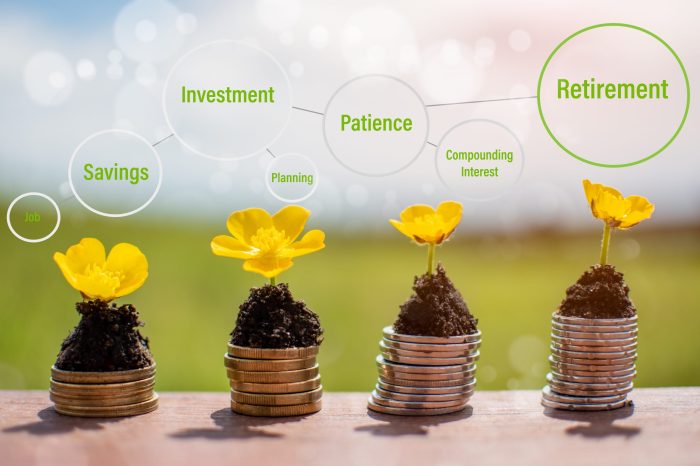 Establishing a balanced financial lifestyle is crucial, especially in a fast-paced economy where changes can happen rapidly. It involves managing income, expenses, savings, and investments effectively to achieve stability and security in the long run.
Financial Security in Uncertain Times
In times of economic uncertainties such as market fluctuations, job instability, or unexpected expenses, having a balanced financial lifestyle can provide a safety net. By having savings, emergency funds, and manageable debt, individuals can weather financial storms without facing severe consequences.- Building an Emergency Fund: Setting aside money for emergencies can prevent individuals from falling into debt when unexpected expenses arise.
- Managing Debt Wisely: Keeping debt levels low and paying off high-interest debts can reduce financial stress and improve overall financial health.
- Investing for the Future: By investing in diversified portfolios, individuals can grow their wealth and secure their financial future even in uncertain economic conditions.
Benefits of Financial Balance and Stability
Achieving financial balance not only provides a sense of security but also offers various benefits that enhance overall well-being. It allows individuals to plan for the future, pursue their goals, and enjoy peace of mind knowing that they are prepared for any financial challenges that may come their way."Financial stability is not only about having enough money but also about managing it wisely to achieve your long-term financial goals."
Strategies for Achieving Financial Balance
Creating a balanced financial lifestyle in a fast-paced economy requires individuals to adopt practical steps that can help them navigate through the challenges of managing their finances effectively. Budgeting, saving, and investing wisely are key components in achieving financial equilibriumThe Role of Budgeting and Saving
One of the fundamental strategies for achieving financial balance is to create a budget that Artikels your income and expenses. By tracking your spending habits, you can identify areas where you can cut back and allocate more funds towards savings. Setting specific savings goals can also help you stay on track and build a financial safety net for unexpected expenses.
Exploring Investment Options
Investing is another crucial element in creating a well-rounded financial portfolio. By diversifying your investments across different asset classes such as stocks, bonds, real estate, and mutual funds, you can mitigate risks and potentially earn higher returns. It's essential to conduct thorough research and seek advice from financial experts to make informed investment decisions that align with your financial goals.
Balancing Short-Term Needs with Long-Term Goals
In a fast-paced economy, individuals often face the challenge of balancing their short-term financial needs with their long-term financial goals. It is crucial to find a harmony between meeting immediate expenses and planning for the future to ensure financial stability and security.Importance of Addressing Short-Term Needs vs. Long-Term Goals
Short-term financial needs are essential for covering day-to-day expenses, emergencies, and unexpected costs. On the other hand, long-term financial goals involve saving for retirement, investments, and building wealth over time. Both aspects are vital in securing a stable financial future.
Tips for Prioritizing Short-Term and Long-Term Objectives
- Create a budget that allocates funds for both short-term needs and long-term goals.
- Automate savings for long-term objectives to ensure consistency and discipline.
- Prioritize high-interest debt repayment to free up funds for future investments.
- Regularly review and adjust financial goals based on changing circumstances and priorities.
Delayed Gratification and Financial Balance
Delayed gratification refers to the ability to resist immediate rewards in favor of long-term benefits. In the context of a balanced financial lifestyle, practicing delayed gratification can help individuals prioritize saving and investing for the future over unnecessary expenses. This mindset shift is crucial for achieving financial stability and reaching long-term financial goals.
Closing Summary
As we conclude our exploration of Creating a Balanced Financial Lifestyle in a Fast Economy, it becomes evident that proactive financial planning and smart decision-making are key to thriving in a dynamic economic landscape. By implementing the strategies discussed, individuals can pave the way for a secure and prosperous financial journey.
FAQ Explained
How can I adapt my financial habits to suit a fast economy?
To adapt to a fast economy, focus on budgeting, saving, and diversifying investments to ensure financial stability amidst rapid changes.
Is it necessary to prioritize long-term financial goals over short-term needs?
Balancing short-term needs with long-term goals is crucial. While addressing immediate financial requirements, do not neglect saving and investing for the future.
What role does delayed gratification play in achieving a balanced financial lifestyle?
Delayed gratification is essential in maintaining financial balance. By forgoing immediate satisfaction, individuals can save and invest wisely for long-term financial security.