Dive into the world of Clinical Mental Health Counseling Methods Explained, where we unravel the complexities and nuances of various theoretical approaches, counseling techniques, assessment methods, and cultural considerations. Prepare to embark on a journey of understanding and discovery in this vital field of mental health counseling.
Explore the key components that shape the landscape of clinical mental health counseling and gain valuable insights into the strategies and practices that drive effective treatment and care.
Theoretical Approaches in Clinical Mental Health Counseling
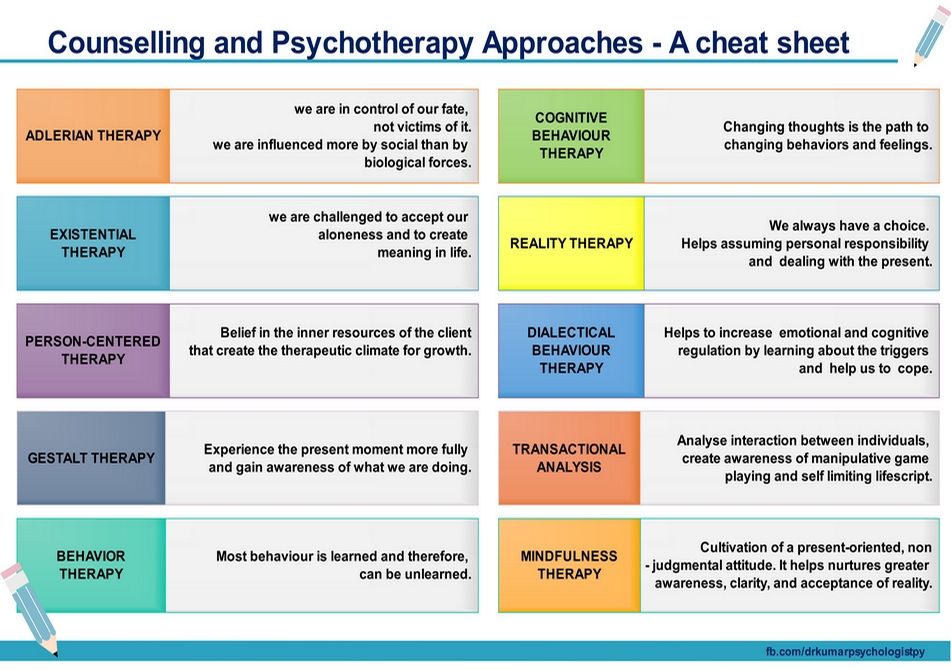 In clinical mental health counseling, various theoretical approaches are utilized to help individuals address their mental health concerns and improve their overall well-being. These approaches provide counselors with different frameworks and strategies to understand, assess, and treat clients effectively.One of the key theoretical approaches in clinical mental health counseling is Cognitive Behavioral Therapy (CBT). CBT focuses on identifying and changing negative thought patterns and behaviors that contribute to mental health issues. For example, a counselor using CBT may work with a client to challenge and reframe irrational beliefs that are causing distress or anxiety.Another important theoretical approach is Psychodynamic Therapy, which explores how past experiences and unconscious thoughts influence current behaviors and emotions. Through techniques like free association and dream analysis, counselors help clients gain insight into their unconscious processes and develop a deeper understanding of their mental health struggles.In contrast, Humanistic Therapy emphasizes the importance of self-exploration, personal growth, and self-actualization. This approach, exemplified by Person-Centered Therapy developed by Carl Rogers, focuses on creating a supportive and nonjudgmental therapeutic environment where clients can explore their feelings and experiences freely.When comparing these theoretical approaches, it is essential to consider their effectiveness in treating different mental health conditions. While CBT is highly effective for conditions like anxiety disorders and depression, Psychodynamic Therapy may be more beneficial for individuals with complex trauma histories or personality disorders. Humanistic Therapy, on the other hand, is often used to promote self-awareness and personal development in individuals seeking personal growth.To provide comprehensive care, many counselors integrate multiple theoretical approaches into their treatment plans. By combining elements of CBT, Psychodynamic Therapy, and Humanistic Therapy, counselors can address the diverse needs of their clients and tailor interventions to suit individual preferences and goals. This integrative approach allows for a more holistic and personalized treatment experience, leading to better outcomes for clients seeking mental health support.
Counseling Techniques and Interventions
When it comes to clinical mental health counseling, a variety of counseling techniques and interventions are utilized to help clients navigate their mental health challenges. These tools are carefully selected based on the individual needs of each client, with the goal of providing effective support and guidance.
Common Counseling Techniques
- Cognitive Behavioral Therapy (CBT): This technique focuses on changing negative thought patterns and behaviors to improve mental health outcomes.
- Person-Centered Therapy: This approach emphasizes empathy, unconditional positive regard, and genuineness to help clients explore their feelings and experiences.
- Reality Therapy: This technique focuses on helping clients take responsibility for their actions and make positive changes in their lives.
Selecting Appropriate Interventions
When selecting interventions, counselors consider factors such as the client's diagnosis, preferences, strengths, and goals. By tailoring interventions to meet the specific needs of each client, counselors can maximize the effectiveness of the treatment plan.
Success Stories of Counseling Techniques
One client struggling with anxiety found relief through mindfulness-based stress reduction techniques, which helped her manage her symptoms and improve her overall well-being.
Another client dealing with depression benefited greatly from narrative therapy, which allowed her to reframe her negative thoughts and create a more positive self-narrative.
Ethical Considerations
It is essential for counselors to adhere to ethical guidelines when applying counseling techniques and interventions. This includes respecting client autonomy, maintaining confidentiality, and avoiding any practices that could harm the client. Counselors must also regularly assess the effectiveness of the interventions used and make adjustments as needed to ensure the client's well-being.
Assessment and Diagnosis in Clinical Mental Health Counseling
Assessment and diagnosis play a crucial role in the field of clinical mental health counseling, as they lay the foundation for understanding and treating mental health disorders effectively.Role of Assessment Tools in Diagnosing Mental Health Disorders
Assessment tools are essential in diagnosing mental health disorders as they provide structured methods to gather information about a client's symptoms, behaviors, and overall mental health status. These tools help counselors to assess the severity of symptoms, identify underlying issues, and make accurate diagnoses based on established criteria.Process of Conducting a Thorough Mental Health Assessment
Conducting a thorough mental health assessment involves gathering information through interviews, observations, and standardized assessments. Counselors need to consider the client's personal history, current symptoms, cultural background, and any relevant environmental factors to gain a comprehensive understanding of the client's mental health needs.Importance of Accurate Diagnosis for Developing Effective Treatment Plans
Accurate diagnosis is essential for developing effective treatment plans because it guides counselors in choosing the most appropriate interventions and strategies to address the client's specific mental health needs. A precise diagnosis ensures that the treatment is tailored to the individual, leading to better outcomes and progress in therapy.Challenges and Considerations in Diagnosing Mental Health Disorders
Diagnosing mental health disorders can be challenging due to the complexity of symptoms, overlapping diagnostic criteria, and comorbid conditions. Counselors must consider cultural factors, individual differences, and the potential for misdiagnosis when assessing clients. Additionally, staying updated on the latest diagnostic criteria and guidelines is crucial for accurate and reliable diagnoses in clinical practice.Cultural Competence and Diversity in Counseling
Cultural competence is a crucial aspect of clinical mental health counseling as it allows counselors to effectively work with clients from diverse cultural backgrounds. It involves understanding, respecting, and valuing the beliefs, practices, and norms of different cultural groups.Significance of Cultural Competence
- Enhances trust and rapport: By demonstrating cultural competence, counselors can build trust with clients, leading to more effective therapeutic relationships.
- Increases effectiveness of interventions: Cultural competence helps in tailoring counseling interventions to meet the unique needs of clients from various cultural backgrounds.
- Promotes inclusivity: By embracing cultural competence, counselors create a safe and welcoming space for clients to express themselves without fear of judgment.
Strategies for Working with Diverse Clients
- Educate yourself: Learn about different cultures, traditions, and customs to better understand your clients' perspectives.
- Be open-minded: Approach each client with an open mind and a willingness to learn from their cultural background.
- Ask questions: Encourage clients to share their cultural experiences and how it may impact their mental health.
Impact of Cultural Factors in Counseling
- Communication styles: Different cultures may have varying communication styles that can impact the counseling process.
- Stigma around mental health: Some cultures may view seeking help for mental health issues differently, affecting how clients engage in counseling.
- Family dynamics: Cultural values related to family roles and dynamics can influence the client's perceptions and expectations of counseling.
Promoting Inclusivity and Respect for Diversity
- Creating a culturally sensitive environment: Decorate your counseling space with items that reflect diverse cultures and create a welcoming atmosphere.
- Implementing multicultural approaches: Use counseling techniques that are inclusive and respectful of different cultural backgrounds.
- Continuing education: Stay updated on cultural competence best practices and engage in training to enhance your skills in working with diverse clients.
Concluding Remarks
In conclusion, Clinical Mental Health Counseling Methods Explained sheds light on the multifaceted aspects of mental health treatment, emphasizing the importance of a holistic and inclusive approach. As we navigate through the diverse theoretical frameworks and practical interventions, we are reminded of the essential role that cultural competence plays in fostering meaningful connections and promoting overall well-being.
Essential FAQs
How important is it to integrate multiple theoretical approaches in clinical mental health counseling?
Integrating multiple theoretical approaches allows for a more comprehensive and personalized treatment plan that caters to the unique needs of each client.
What ethical considerations should be kept in mind when applying counseling techniques?
Practitioners must ensure confidentiality, informed consent, and respect for clients' autonomy and boundaries while applying counseling techniques.
Why is cultural competence crucial in counseling practice?
Cultural competence ensures that counselors can effectively engage with clients from diverse backgrounds, fostering trust, understanding, and positive therapeutic outcomes.
How do assessment tools aid in diagnosing mental health disorders?
Assessment tools provide valuable information that helps in identifying symptoms, understanding client needs, and formulating accurate diagnoses for effective treatment planning.
What are some strategies for promoting inclusivity and respect for diversity in counseling?
Strategies include ongoing education, self-reflection, active listening, and creating a safe and welcoming environment for clients from various cultural backgrounds.