Embark on a journey towards mental clarity with Inner Wellbeing Practices. Delve into the realm of mindfulness, meditation, and yoga as we explore how these practices can enhance your daily life and overall well-being.
Discover the key to unlocking a clearer mind and a more peaceful existence through the power of inner wellness.
Understanding Inner Wellbeing Practices
Inner wellbeing practices encompass a variety of techniques and habits that promote mental and emotional health. These practices are essential for maintaining a sense of balance and harmony within oneself.
Mental clarity plays a crucial role in our daily lives, as it enables us to think clearly, make informed decisions, and navigate challenges effectively. Without mental clarity, we may feel overwhelmed, confused, and unable to focus on our tasks and goals.
Importance of Inner Wellbeing Practices for Mental Clarity
Inner wellbeing practices, such as mindfulness meditation, deep breathing exercises, and positive affirmations, can significantly enhance mental clarity. By engaging in these practices regularly, individuals can cultivate a sense of calmness, focus, and self-awareness.
Through mindfulness meditation, individuals learn to quiet the mind, observe their thoughts without judgment, and increase their awareness of the present moment. This practice helps reduce mental clutter, improve concentration, and enhance cognitive function.
Deep breathing exercises are another effective way to promote mental clarity. By taking slow, deep breaths, individuals can calm their nervous system, reduce stress, and increase oxygen flow to the brain. This can lead to improved cognitive performance, better decision-making, and enhanced problem-solving skills.
Positive affirmations involve repeating uplifting statements to oneself, such as "I am capable," "I am worthy," or "I am enough." These affirmations help reframe negative thought patterns, boost self-esteem, and foster a positive mindset. By practicing positive self-talk, individuals can cultivate a sense of optimism, resilience, and mental clarity.
Types of Inner Wellbeing Practices
Practicing inner wellbeing can take many forms, each offering unique benefits for enhancing mental clarity. Let's explore some of the main types of inner wellbeing practices and how they can help improve mental clarity.Mindfulness
- Mindfulness involves being fully present in the moment and observing thoughts and feelings without judgment.
- Benefits include reducing stress, improving focus, and enhancing self-awareness, leading to better mental clarity.
Meditation
- Meditation focuses on quieting the mind and finding inner peace through various techniques like breath awareness or guided visualization.
- Benefits include reducing anxiety, increasing emotional stability, and improving cognitive function, all contributing to mental clarity.
Yoga
- Yoga combines physical postures, breathwork, and meditation to promote relaxation, flexibility, and mindfulness.
- Benefits include reducing cortisol levels, enhancing mood, and improving overall well-being, which can positively impact mental clarity.
Breathwork
- Breathwork techniques involve conscious control of breathing patterns to calm the mind, release tension, and increase oxygen flow to the brain.
- Benefits include reducing anxiety, promoting relaxation, and sharpening focus, all essential for achieving mental clarity.
Implementing Inner Wellbeing Practices
Integrating inner wellbeing practices into your daily routine can have a profound impact on your mental clarity and overall well-being. Consistency is key to reaping the full benefits of these practices, especially for beginners just starting out.
Steps to Incorporate Inner Wellbeing Practices
Here are some steps to help you seamlessly integrate inner wellbeing practices into your daily routine:
- Start with small steps: Begin with just a few minutes of practice each day and gradually increase the duration as you become more comfortable.
- Create a schedule: Set aside specific times during the day to engage in your chosen inner wellbeing practices, whether it's in the morning, during lunch break, or before bedtime.
- Find what works for you: Explore different practices such as meditation, deep breathing exercises, mindfulness, or yoga to find what resonates best with you.
- Stay committed: Consistency is key, so make a commitment to yourself to prioritize these practices daily, even when life gets busy.
Tips for Beginners Starting Inner Wellbeing Practices
For beginners embarking on their inner wellbeing journey, here are some tips to help you get started:
- Start with guided practices: Utilize apps, online videos, or classes to ease into these practices and gain a better understanding of how to engage with them.
- Set realistic goals: Begin with achievable goals and gradually increase the intensity or duration as you become more comfortable with the practices.
- Be patient with yourself: It's okay to encounter challenges or distractions along the way. Embrace them as part of the learning process and stay committed.
- Seek support: Connect with like-minded individuals or seek guidance from professionals to enhance your practice and stay motivated.
Consistency and Effectiveness of Inner Wellbeing Practices
Consistency plays a crucial role in determining the effectiveness of inner wellbeing practices. By incorporating these practices into your daily routine and committing to them regularly, you can experience profound shifts in your mental clarity, emotional well-being, and overall quality of life.
Enhancing Mental Clarity through Inner Wellbeing
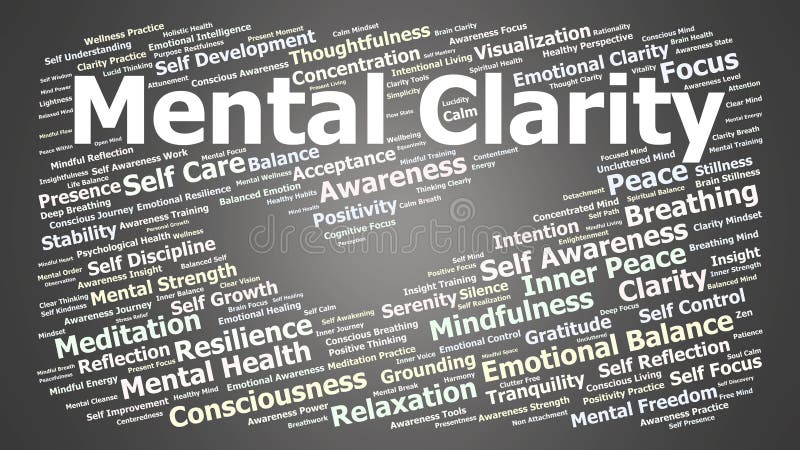 Inner peace and mental clarity are closely intertwined. When we cultivate inner peace through practices such as meditation, mindfulness, and gratitude, we create a calm and focused mind that allows mental clarity to flourish. This mental clarity enables us to think more clearly, make decisions with greater ease, and navigate life's challenges with a sense of balance.
Reducing Stress and Anxiety
Practicing inner wellbeing techniques like deep breathing, yoga, and journaling can significantly reduce stress and anxiety levels. By calming the mind and body, these practices help to alleviate the symptoms of stress and anxiety, allowing us to approach situations with a sense of calm and clarity.Deep breathing exercises
involve taking slow, deep breaths to activate the body's relaxation response, reducing stress and promoting mental clarity.Yoga
combines physical postures, breathing techniques, and meditation to calm the mind and reduce anxiety, leading to improved mental clarity.Journaling
allows us to process our thoughts and emotions, helping to release stress and anxiety and clear the mind for better mental focus.
Impact on Overall Well-being
Mental clarity plays a vital role in our overall well-being. When our minds are clear and focused, we can approach life with a sense of purpose, direction, and resilience. This clarity allows us to better manage challenges, maintain healthy relationships, and make positive choices that contribute to our overall happiness and fulfillment.Increased focus and productivity
are direct results of enhanced mental clarity, enabling us to accomplish tasks efficiently and with greater effectiveness.Improved emotional regulation
stems from a clear mind, allowing us to respond to situations with calmness and rationality rather than reactive emotions.Enhanced problem-solving abilities
are a byproduct of mental clarity, as it allows us to approach challenges with a clear and creative mindset, finding innovative solutions.
Closing Summary
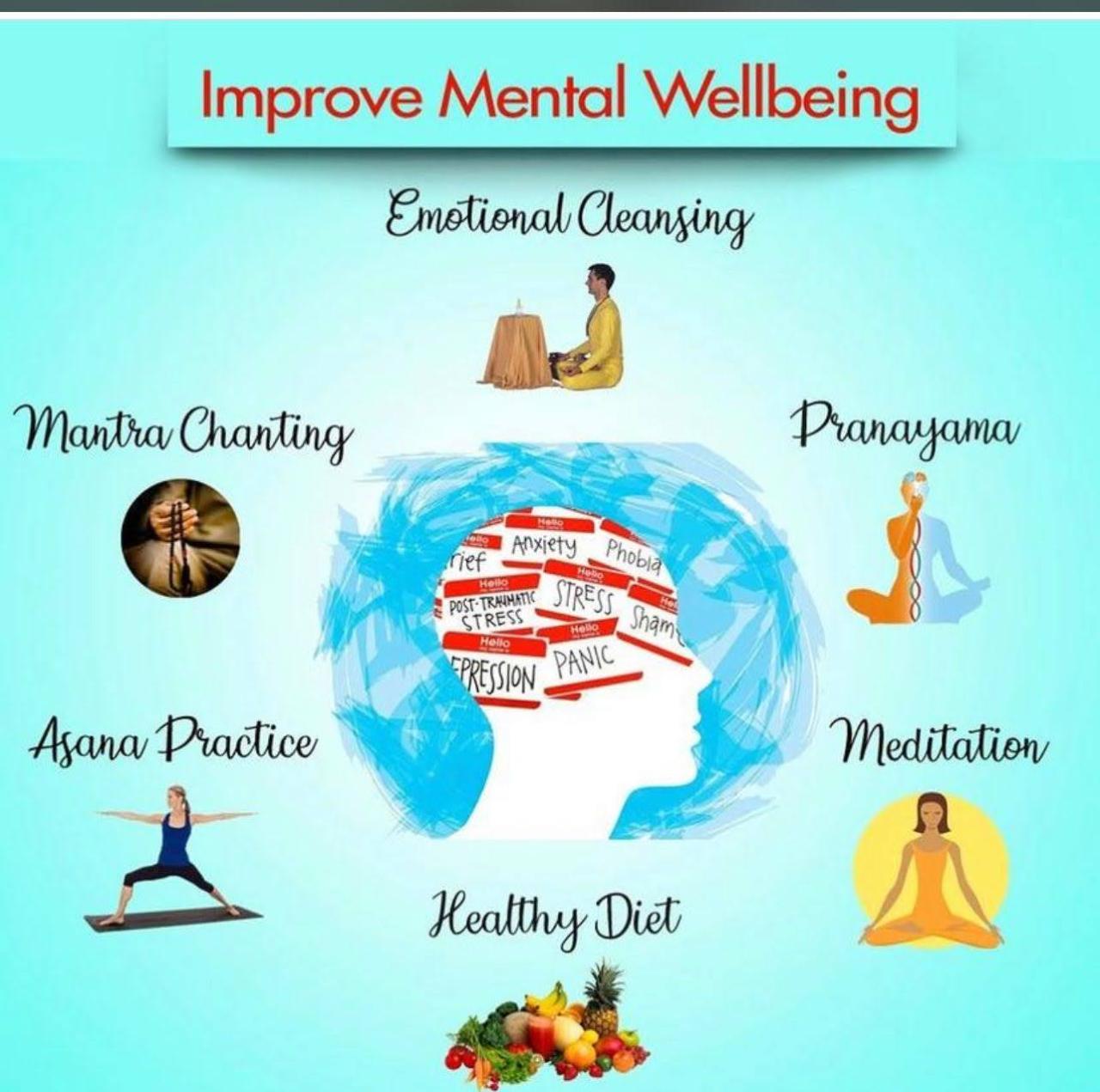
In conclusion, Inner Wellbeing Practices offer a transformative approach to achieving mental clarity, reducing stress, and fostering inner peace. Embrace these practices to cultivate a harmonious balance in your life and nurture a healthier mindset.
FAQ Guide
What are some common types of Inner Wellbeing Practices?
Common types include mindfulness, meditation, yoga, deep breathing exercises, and journaling.
How can I incorporate Inner Wellbeing Practices into my daily routine?
Start with small steps like setting aside dedicated time each day, creating a quiet space for practice, and gradually increasing the duration as you build consistency.
What benefits do Inner Wellbeing Practices offer for mental clarity?
These practices can help reduce stress, improve focus, enhance self-awareness, promote emotional balance, and cultivate a sense of inner peace, all contributing to mental clarity.