Embark on a journey exploring Living Lifestyles Abroad: Cultural Wealth and Adaptation, delving into the intricate tapestry of how cultural richness influences our experiences in foreign lands. Prepare to uncover a world where adaptation and cultural identity intertwine to shape our lives in unique ways.
The following paragraphs will shed light on the essence of cultural wealth and its impact on adapting to new environments, offering insights into the challenges and rewards of embracing different cultures while maintaining one's authenticity.
Understanding Cultural Wealth
Cultural wealth refers to the knowledge, traditions, values, and practices that individuals inherit from their cultural background. It plays a crucial role in shaping living lifestyles abroad as it influences how individuals perceive and interact with their new environment.
Importance of Cultural Wealth in Adaptation
When individuals move to a new country, their cultural wealth guides them in understanding the local customs, language, and social norms. For example, someone coming from a collectivist culture may find it challenging to adapt to the individualistic values prevalent in Western societies.
Influence of Cultural Wealth on Identity Maintenance
Cultural wealth helps individuals maintain their identity while living abroad by providing a sense of belonging and connection to their roots. For instance, celebrating traditional festivals, cooking native dishes, or speaking their mother tongue can help expats stay connected to their cultural heritage.
Challenges of Adapting to a New Culture
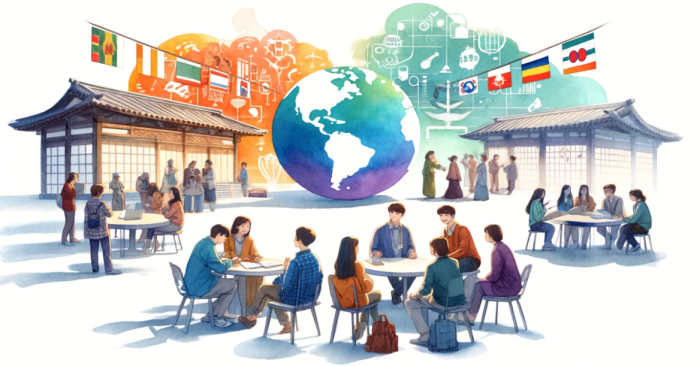 Adapting to a new culture can be a daunting task for individuals who find themselves in unfamiliar territories. The differences in language, customs, traditions, and social norms can present various challenges that may hinder a smooth transition. However, with the right strategies and mindset, these obstacles can be overcome to successfully integrate into a new cultural environment.
Common Challenges When Adapting to a New Culture
- Language Barrier: Communication is key in any social setting, and not being able to effectively communicate in the local language can lead to misunderstandings and isolation.
- Cultural Norms: Understanding and respecting the cultural norms of the new environment may be challenging, especially if they differ significantly from one's own cultural background.
- Social Interactions: Building relationships and navigating social interactions can be difficult when the ways of socializing are different from what one is accustomed to.
- Work Environment: Adapting to a new work culture, expectations, and professional etiquette can pose challenges in terms of job performance and integration within the workplace.
Strategies for Overcoming Cultural Barriers
- Language Learning: Investing time and effort in learning the local language can greatly improve communication and facilitate interactions with locals.
- Cultural Immersion: Engaging in local activities, festivals, and traditions can provide a deeper understanding of the culture and help in adapting more effectively.
- Open-mindedness: Being open to new experiences, perspectives, and ways of doing things is essential in overcoming cultural barriers and embracing diversity.
- Seeking Support: Connecting with expat communities, cultural groups, or mentors can offer guidance, support, and a sense of belonging during the adaptation process.
Impact of Cultural Differences on Daily Routines, Social Interactions, and Work Life
- Daily Routines: Cultural differences can influence daily habits, schedules, and priorities, requiring individuals to adjust their routines to align with the new cultural context.
- Social Interactions: Cultural norms and practices can shape the way people interact, communicate, and form relationships, impacting social dynamics and connections in the new environment.
- Work Life: Cultural differences in work ethics, hierarchy, communication styles, and decision-making processes can affect job performance, teamwork, and career advancement in a new work setting.
Cultural Integration and Assimilation
When living abroad, individuals have the option of cultural integration or assimilation. Cultural integration involves maintaining aspects of one's own culture while also adapting to and embracing the new culture. On the other hand, assimilation refers to fully adopting the customs, language, and values of the new culture and letting go of one's original cultural identity.
Differences between Cultural Integration and Assimilation
- Cultural Integration: This approach allows individuals to blend elements of their own culture with the new culture, creating a unique and diverse identity. It promotes mutual respect and understanding between different cultural groups.
- Assimilation: In contrast, assimilation involves conforming entirely to the new culture, often leading to the loss of one's original cultural identity. It can result in a sense of detachment from one's roots.
Benefits and Drawbacks of Each Approach
While cultural integration preserves one's cultural heritage and promotes diversity, assimilation can help individuals adapt more quickly to the new environment and avoid feeling like an outsider. However, assimilation may lead to feelings of cultural loss and identity crisis, while cultural integration can sometimes create challenges in fully integrating into the new society.
Personal Experiences
One example of successful cultural integration is a friend who moved to a new country for work. They embraced the local customs and traditions while still celebrating their own cultural festivals. This approach helped them form strong relationships with locals while staying connected to their roots.
Preserving Cultural Identity While Abroad

When living in a foreign country, it's essential to find ways to maintain your cultural identity amidst the new surroundings. This not only helps you stay connected to your roots but also enriches the cultural diversity of the global community.
Tips for Preserving Cultural Identity:
- Keep in touch with your community back home through regular communication, whether it's through phone calls, video chats, or social media.
- Celebrate traditional holidays and customs, even if it means adapting them to your current environment. This can help you feel connected to your heritage.
- Seek out local cultural events and activities in your host country that resonate with your own cultural background. This can provide a sense of familiarity and belonging.
- Share your cultural traditions with others, whether it's through cooking traditional dishes, sharing stories, or participating in cultural exchanges. This can help raise awareness and appreciation for your heritage.
- Stay informed about current events and developments in your home country to maintain a sense of connection and belonging, even from afar.
The Importance of Cultural Preservation:
In a globalized world where cultures are increasingly blending and evolving, preserving cultural identity is crucial for maintaining diversity and promoting mutual understanding. By preserving and celebrating our cultural heritage, we contribute to the rich tapestry of human experience and foster a more inclusive and tolerant society.
Final Wrap-Up
As we draw the curtains on this discussion of Living Lifestyles Abroad: Cultural Wealth and Adaptation, we reflect on the richness of diversity and the resilience it instills in individuals navigating foreign terrains. The tapestry of cultural integration, preservation, and identity shines brightly in a globalized world, showcasing the beauty of human adaptability and unity amidst differences.
Clarifying Questions
How can one maintain their cultural identity while living abroad?
To preserve your cultural identity while abroad, stay connected to your roots through traditions, language, and community events. Embrace opportunities to share your heritage with others and seek out cultural groups in your new location.
What are some common challenges faced when adapting to a new culture?
Common challenges include language barriers, social norms, and adjusting to different values and customs. Overcoming these hurdles requires openness, patience, and a willingness to learn from the local culture.
What is the difference between cultural integration and assimilation?
Cultural integration involves blending aspects of your own culture with the new one, while assimilation entails fully adopting the new culture's practices and values. Both approaches have their benefits and drawbacks, depending on personal preferences and circumstances.